Author:David Ran
Position:Senior Steel Structure Engineer at BF Steel Structure.
Introduction:With over 16 years of experience in steel structure design, fabrication, and project management, David has participated in more than 500 industrial steel building projects worldwide, including warehouses, workshops, agricultural buildings, and commercial steel structures.
Share This :
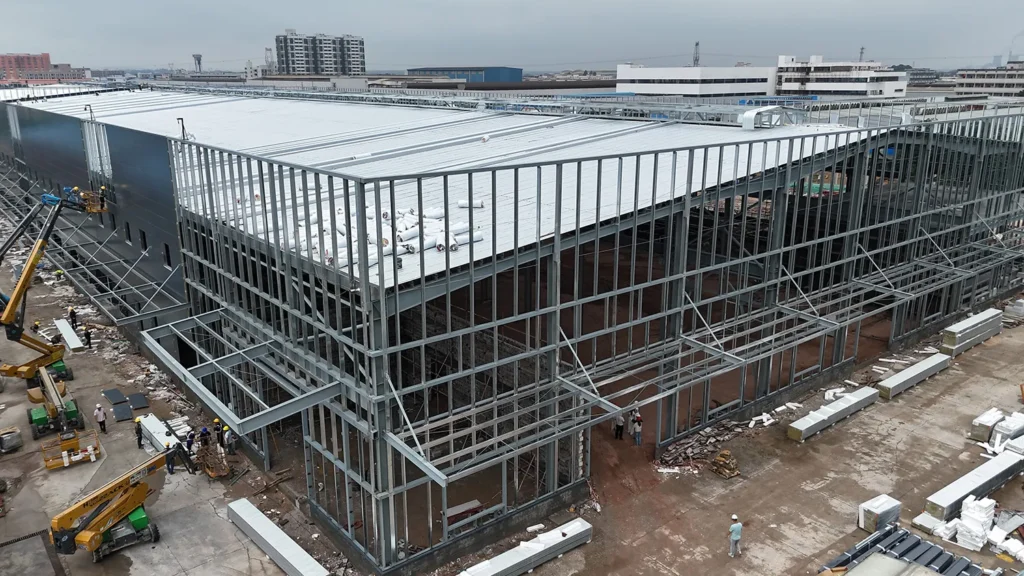
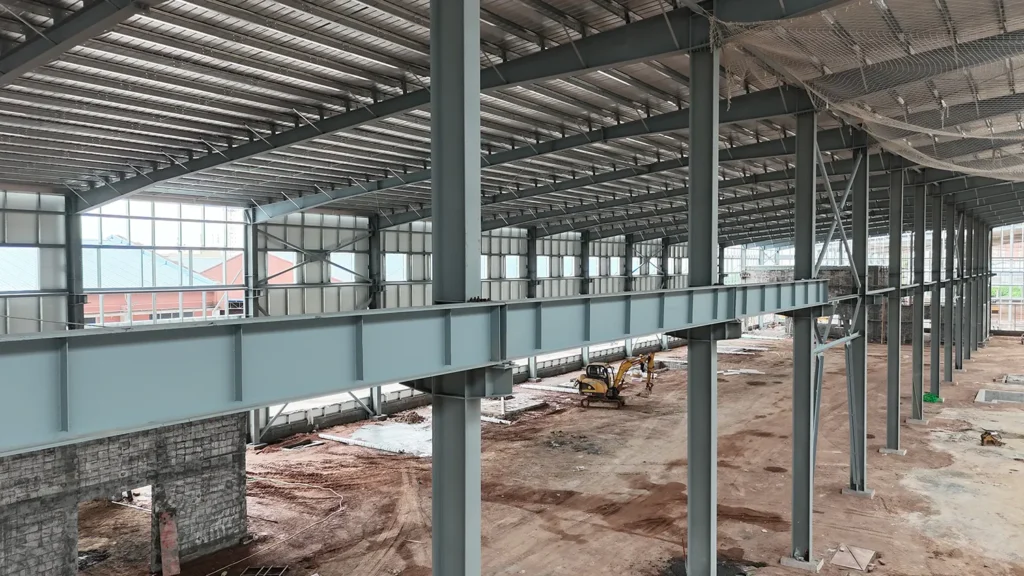
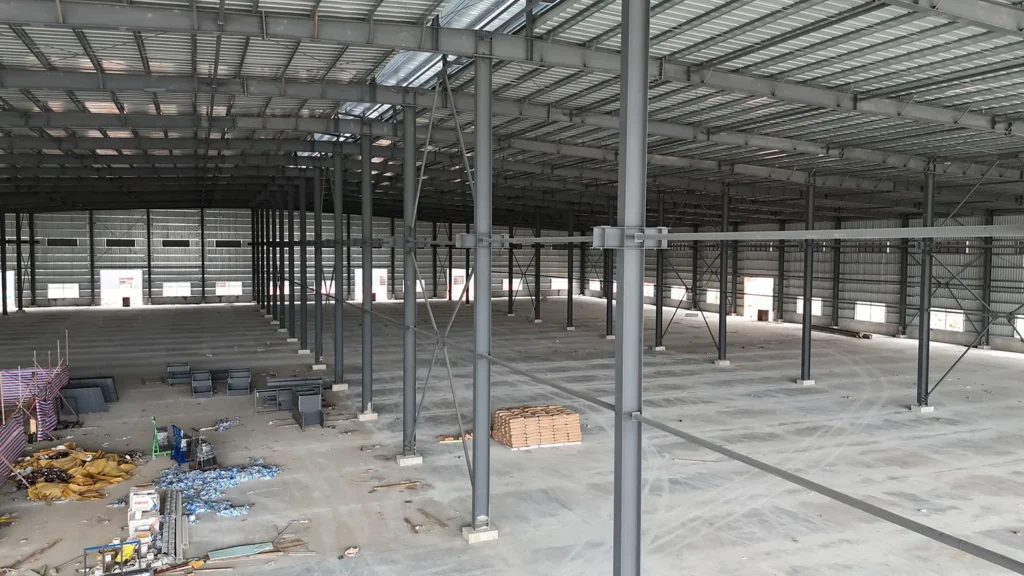
Steel Connection Types in Steel Structure Buildings: Bolted vs Welded
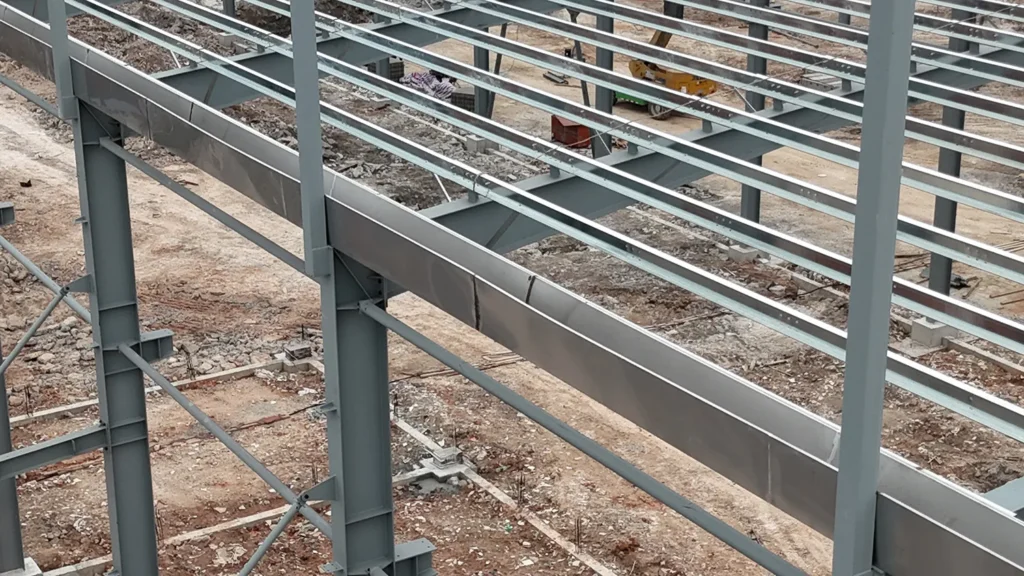
Steel connection types are important in steel structure buildings because they determine how columns, beams, purlins, bracing systems and other steel components are joined together. In steel warehouses, workshops, factories and industrial buildings, good connection design helps improve structural stability, installation efficiency and long-term building performance.
For many overseas steel building projects, customers often focus on the main steel frame size, roof and wall materials, building span and price. However, steel connections are also a key part of the complete building system. Bolted connections and welded connections are commonly used in steel structure buildings, but they are used in different positions and for different purposes.
Bingfa Steel is a professional steel structure company in China, providing custom steel building design communication, fabrication, export packing and installation guidance for overseas projects. Understanding the difference between bolted and welded connections can help customers better communicate project requirements before ordering a steel structure building.
What Are Steel Connections?
Steel connections are the joints used to connect different steel members together. In a steel structure building, these connections may join steel columns, roof beams, purlins, wall girts, bracing systems, base plates, crane beams and other steel components.
A complete steel building is not made by individual steel members only. The building becomes a stable structure when all steel components are correctly connected according to the engineering drawings.
Common steel connections include:
- Beam-to-column connections
- Column base connections
- Purlin-to-frame connections
- Bracing connections
- Crane beam connections
- Roof beam splice connections
- Wall girt connections
- Base plate and anchor bolt connections
Different connection types affect fabrication, transportation, installation speed and structural performance. This is why connection design should be considered together with the whole building system.
Why Steel Connection Types Matter in Steel Structure Buildings
Steel connection types matter because they influence both engineering performance and project execution. A good connection design can make the building easier to fabricate, pack, ship and install.
The right connection type can help:
- Transfer loads between steel members
- Improve building stability
- Support fast site installation
- Reduce on-site welding work
- Improve fabrication accuracy
- Support container loading and export delivery
- Reduce installation mistakes
- Make future maintenance or expansion easier
For export steel structure buildings, bolted connections are often widely used on site because they are easier to install with drawings and marked components. Welded connections are often completed in the factory where welding quality can be better controlled.
What Are Bolted Connections?
Bolted connections use bolts, nuts and washers to connect steel members together. Holes are drilled or punched in the steel components during factory fabrication. During installation, workers align the holes and tighten the bolts according to the drawings.
Bolted connections are very common in prefabricated steel structure buildings. They are used for many site installation joints because they are faster and more convenient than field welding.
Common applications of bolted connections include:
- Steel beam splices
- Beam-to-column joints
- Purlin connections
- Wall girt connections
- Bracing connections
- Base plate and anchor bolt connections
- Roof frame connections
- Secondary steel component connections
For overseas steel buildings, bolted connections are practical because the steel components can be fabricated in China, packed into containers and assembled on site with installation drawings.
Advantages of Bolted Connections
Bolted connections are widely used in steel structure buildings because they offer several practical advantages.
1. Faster Site Installation
Bolted connections can help speed up installation. Workers can connect steel members by aligning holes and tightening bolts. This is usually easier than welding on site, especially when local welding equipment or skilled welders are limited.
2. Suitable for Prefabricated Steel Buildings
Most steel structure building components are fabricated in the factory before delivery. Bolted connections work well with prefabricated systems because holes and connection plates can be prepared in advance.
3. Easier Quality Control on Site
Compared with site welding, bolted installation is easier to check visually. The installation team can verify bolt quantity, bolt position, tightening condition and connection alignment according to the drawings.
4. Easier Transportation and Container Loading
Bolted connections allow large steel frames to be divided into smaller components for transportation. This is important for overseas projects because the steel members need to be packed and loaded into containers efficiently.
5. Easier Future Modification or Expansion
In some cases, bolted connections make future building modification or expansion easier. Steel members can be removed, adjusted or extended more conveniently than fully welded site connections.
What Are Welded Connections?
Welded connections join steel members by welding them together. Welding creates a strong connection between steel parts and is commonly used in factory fabrication.
In steel structure buildings, many welded connections are completed in the factory before delivery. For example, base plates, stiffeners, connection plates and some built-up H-section steel members are welded during fabrication.
Welded connections may also be used on site in some projects, but for export prefabricated steel buildings, site welding is usually reduced as much as possible to make installation easier and more controllable.
Common applications of welded connections include:
- Base plates welded to steel columns
- Stiffeners welded to beams or columns
- Connection plates welded in the factory
- Built-up H-section steel members
- Crane beam details
- Special steel brackets
- Custom support frames
Advantages of Welded Connections
Welded connections also have important advantages in steel structure buildings.
1. Strong and Continuous Connection
Welding can create a strong and continuous connection between steel members. It is often suitable for factory-fabricated components and special structural details.
2. Clean Appearance
Welded connections can provide a cleaner appearance in some parts of a steel structure. This may be useful for exposed steel components, platforms or special project requirements.
3. Suitable for Factory Fabrication
Factory welding can be performed under more controlled conditions. This helps improve welding quality, dimensional accuracy and inspection efficiency compared with difficult site conditions.
4. Flexible for Custom Components
Some custom steel components require welded plates, stiffeners or brackets. Welding allows the factory to fabricate special connection details according to the project drawings.
5. Useful for Heavy-Duty or Special Details
For some heavy-duty steel structure applications, welded components may be used together with bolted site connections. The final design depends on engineering requirements, load conditions and installation method.
Bolted vs Welded Connections: Main Differences
Bolted and welded connections are both important, but they are not the same.
| Item | Bolted Connections | Welded Connections |
|---|---|---|
| Connection method | Bolts, nuts and washers | Welding steel parts together |
| Common use | Site installation joints | Factory fabrication details |
| Installation speed | Fast and convenient | Slower on site |
| Site requirement | Easier for local installation teams | Requires skilled welders and equipment |
| Quality control | Easier to check visually | Requires welding inspection |
| Transportation | Good for prefabricated components | Often used before shipping |
| Future modification | Easier to remove or adjust | More difficult to modify |
| Common applications | Beam splices, purlins, bracing, frame joints | Base plates, stiffeners, plates, custom components |
In many steel structure building projects, the best solution is not only bolted or only welded. A practical design usually uses factory welding for fabricated components and bolted connections for site assembly.
Where Bolted Connections Are Commonly Used
Bolted connections are widely used in steel structure buildings, especially for parts that need to be assembled on site.
Beam-to-Column Connections
Steel beams and columns are often connected with bolts through end plates or connection plates. This helps the installation team erect the main steel frame efficiently.
Roof Beam Splices
Long roof beams may be divided into sections for transportation. Bolted splice connections allow these sections to be joined on site.
Purlin Connections
Purlins are usually connected to the main frame with bolts or screws. These connections help support roof panels and wall cladding systems.
Bracing Connections
Bracing members are often bolted to the main frame to improve building stability and resistance to horizontal forces.
Anchor Bolt Connections
At the foundation level, steel column base plates are fixed to concrete foundations by anchor bolts. This connection is important for transferring loads from the steel frame to the foundation.
Where Welded Connections Are Commonly Used
Welded connections are commonly used in factory fabrication and special connection details.
Base Plates Welded to Columns
Steel column base plates are usually welded to the bottom of columns in the factory. After delivery, the base plate is fixed to the foundation with anchor bolts.
Stiffeners and Connection Plates
Stiffeners and connection plates are often welded to steel beams or columns to improve local strength and support bolted installation.
Built-Up H-Section Steel Members
Many customized steel columns and beams are fabricated by welding steel plates into H-section members. This allows the steel section size to match the project requirements.
Crane Beam Details
Crane beams may require welded stiffeners, plates or support details depending on crane capacity and working conditions.
Custom Support Frames
Some platforms, equipment supports and special structural parts may require welded fabrication to meet specific project needs.
Factory Welding vs Site Welding
Factory welding and site welding are different in quality control, working conditions and project efficiency.
Factory welding is usually preferred for steel structure buildings because the workshop environment is more stable. The steel components can be measured, welded, inspected and treated before delivery. This helps improve accuracy and reduce site work.
Site welding may be necessary in some special situations, but it requires skilled workers, welding equipment, weather control and proper inspection. For overseas projects, too much site welding may increase installation difficulty and project risk.
This is why many prefabricated steel structure buildings use a combination of factory welding and bolted site installation. The factory completes welded fabrication, and the site team installs the building mainly with bolts.
Connection Design Factors for Steel Buildings
Steel connection design should be based on the complete building system and project conditions. It should not be selected only by price or convenience.
Important design factors include:
- Building size
- Building height
- Span and column spacing
- Wind load
- Snow load
- Seismic requirements
- Crane requirement
- Roof and wall material
- Main steel frame design
- Transportation limits
- Container loading plan
- Installation method
- Local labor conditions
- Site equipment availability
- Future expansion plan
For export steel buildings, connection design should also consider packing, marking and installation drawings. Each component should be easy to identify and assemble on site.
Applications in Warehouses, Workshops and Factories
Steel connection types are used in many steel structure building projects.
Steel Warehouse Buildings
In steel warehouse buildings, bolted connections are commonly used for the main frame, purlins, bracing and wall girts. This helps create a practical building system for storage and logistics use.
Steel Workshop Buildings
Steel workshop buildings may require stronger frame connections, crane beam details or equipment support structures. Bolted and welded connections should be designed according to production and maintenance needs.
Steel Structure Factory Buildings
Factory buildings often include production lines, equipment areas, loading zones and storage sections. Good connection design helps ensure the building is stable, practical and easier to install.
Industrial Steel Buildings
Industrial steel buildings may require heavier steel frames, crane systems, mezzanine floors or special platforms. In these projects, connection details should be checked carefully during the design and fabrication stage.
Relationship with Other Steel Building Components
Steel connections are part of a complete steel structure building system. They work together with steel columns, beams, purlins, wall girts, bracing systems, anchor bolts, base plates, roof panels and wall panels.
For example, anchor bolts and base plates connect steel columns to concrete foundations. Steel beams connect to columns to form the main frame. Purlins connect to roof beams to support roof cladding. Wall girts connect to columns to support wall panels.
For more information about the building envelope connected to the steel frame, you can also read our guide on Roof and Wall Cladding Systems for Steel Buildings.
Fabrication, Packing and Installation Considerations
For overseas steel structure projects, connection design must be practical for fabrication, packing and site installation.
During fabrication, the factory should prepare bolt holes, connection plates, welded parts and component marks according to the approved drawings. Before shipping, steel members should be checked and packed properly.
Important considerations include:
- Accurate bolt hole positions
- Clear component marking
- Correct bolt quantity and specification
- Proper packing of small accessories
- Protection of painted or galvanized surfaces
- Easy identification during installation
- Clear installation drawings
If the bolt holes do not match or small connection parts are missing, site installation may be delayed. A professional steel structure supplier should pay attention to these details before delivery.
What Information Is Needed for Quotation?
To prepare a suitable quotation for a steel structure building, customers should provide basic project information. Connection design depends on the building size, loads, application and installation conditions.
Useful information includes:
- Building size: length, width and eave height
- Project location
- Building application
- Required span and column spacing
- Wind load
- Snow load
- Seismic requirements
- Crane requirement, if any
- Mezzanine or platform requirement
- Roof and wall material preference
- Door and window layout
- Installation support requirement
If you do not have complete engineering data at the beginning, you can first provide the building size, project location and building use. Bingfa Steel can help discuss a suitable steel structure building solution.
Why Choose Bingfa Steel
Bingfa Steel is a professional steel structure company in China. We provide customized steel structure building solutions for warehouses, workshops, factories, manufacturing plants and industrial buildings.
Our service includes:
- Custom steel structure design communication
- Steel column and beam fabrication
- Bolted connection details
- Factory welding and inspection
- Purlins and secondary steel components
- Bracing systems
- Roof and wall cladding materials
- Bolts and accessories
- Export packing
- Container loading support
- Installation drawings
- Online installation guidance
For overseas customers, we understand that accurate connection details, clear component marking and practical installation drawings are important. Our team helps customers prepare steel structure building solutions based on project size, building use, local conditions and delivery requirements.
External Technical Resources
Steel connection details should be designed according to project loads, structural requirements and applicable standards. For more technical information about structural steel design and steel construction standards, you can refer to the American Institute of Steel Construction.
For broader steel industry resources and general steel-related information, you can also visit the World Steel Association.
FAQ
1. What are steel connection types in steel structure buildings?
Steel connection types are the methods used to join steel members together, such as bolted connections and welded connections. They connect columns, beams, purlins, bracing systems and other steel components.
2. Are bolted connections better than welded connections?
It depends on the project and connection position. Bolted connections are usually easier for site installation, while welded connections are commonly used in factory fabrication and special structural details.
3. Why are bolted connections common in prefabricated steel buildings?
Bolted connections are common because they make site installation faster and easier. Steel components can be fabricated in the factory, shipped in containers and assembled on site with bolts.
4. Where are welded connections used in steel buildings?
Welded connections are often used for base plates, stiffeners, connection plates, built-up steel members, crane beam details and custom fabricated parts.
5. Can steel buildings use both bolted and welded connections?
Yes. Most steel structure buildings use both. Factory welding is used for fabricated components, while bolted connections are used for site assembly.
6. Do connection details affect installation speed?
Yes. Accurate bolt holes, clear component marks and practical connection design can make installation faster and reduce site mistakes.
Get a Custom Steel Structure Building Quote
If you need a custom steel structure building for a warehouse, workshop, factory or industrial project, contact Bingfa Steel for a customized solution. Send us your building size, project location, application, span, height, roof and wall material requirements, and crane requirement if any. Our team will help you prepare a suitable design and quotation.
Steel connection details should be designed according to project loads, structural requirements and applicable standards. For more technical information about structural steel design, bolted connections and welded connection requirements, you can refer to the American Institute of Steel Construction.
FAQ
① What is a steel structure building?
A steel structure building is a construction made primarily from high-strength steel components such as H-beams and columns. It is widely used for warehouses, workshops, poultry farms, and industrial facilities due to its durability and cost efficiency.
②How much does a steel building cost?
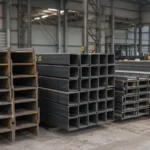
The cost of a steel building typically ranges from $30 to $80 per square meter depending on size, design, materials, and project location. Customized solutions may vary based on specific requirements.
③How long does it take to build a steel structure?
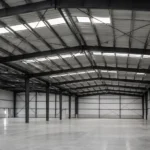
Production usually takes 20–40 days, while installation time depends on the project size. Most standard steel buildings can be installed within a few weeks.
④Do you provide installation support?
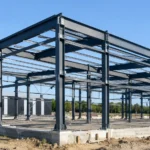
Yes, BINGFA Steel Structure provides detailed installation drawings and online guidance. We can also send engineers to your site if required.
⑤Can steel buildings withstand extreme weather?
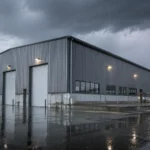
Steel structures are designed to resist strong wind, heavy snow, and earthquakes. We customize designs based on local climate conditions.