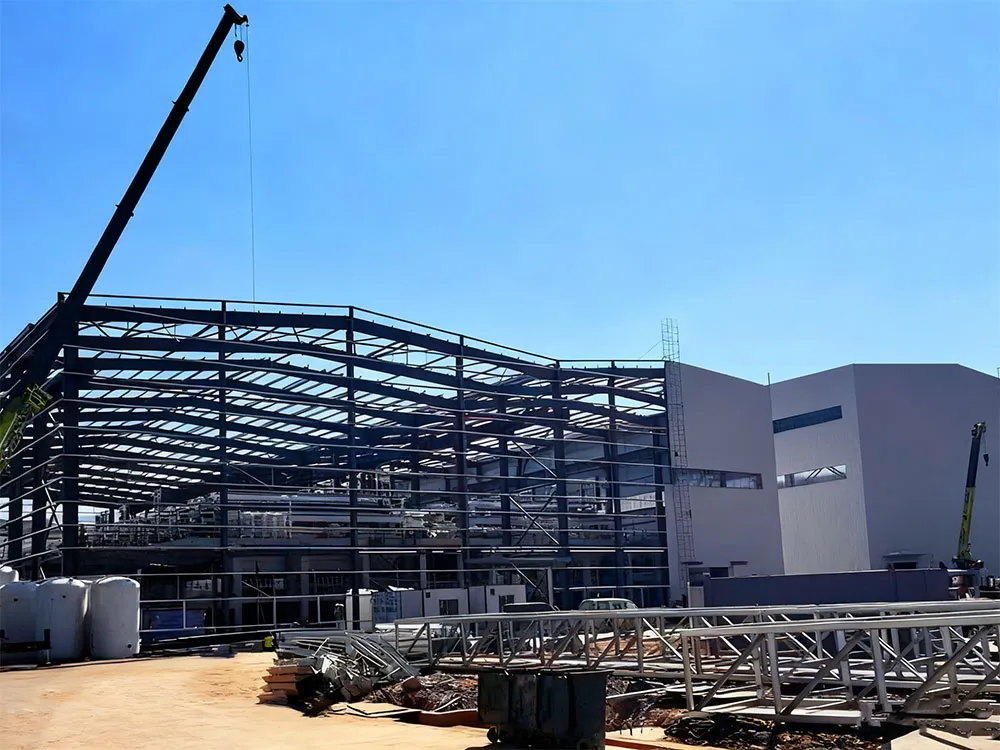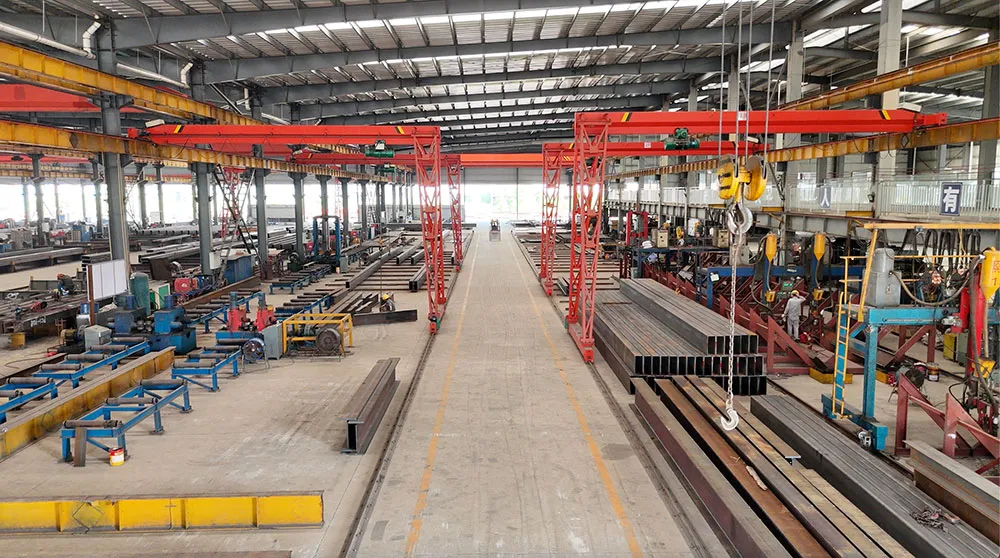
Steel columns in industrial buildings are not just vertical supports. They carry roof loads, crane loads, wind forces, and equipment loads, then transfer these forces safely to the foundation. For factory owners, contractors, and engineers, choosing the correct steel column type, section size, base plate connection, corrosion protection, and fireproofing method is essential for safety, cost control, and long-term building performance.
Author:David Ran
This article discusses steel building components, fabrication, and project planning. Project-specific technical requirements should be confirmed during engineering review.
Share This :
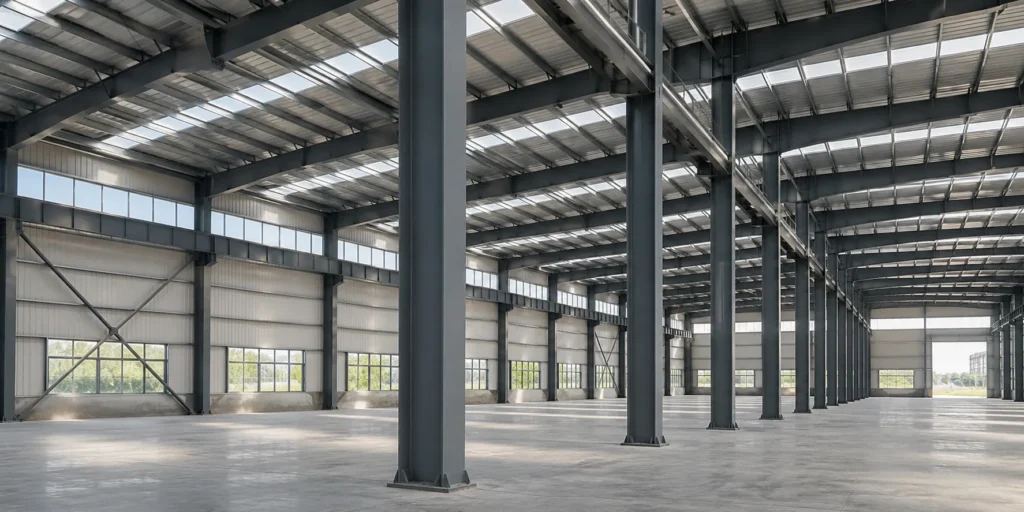
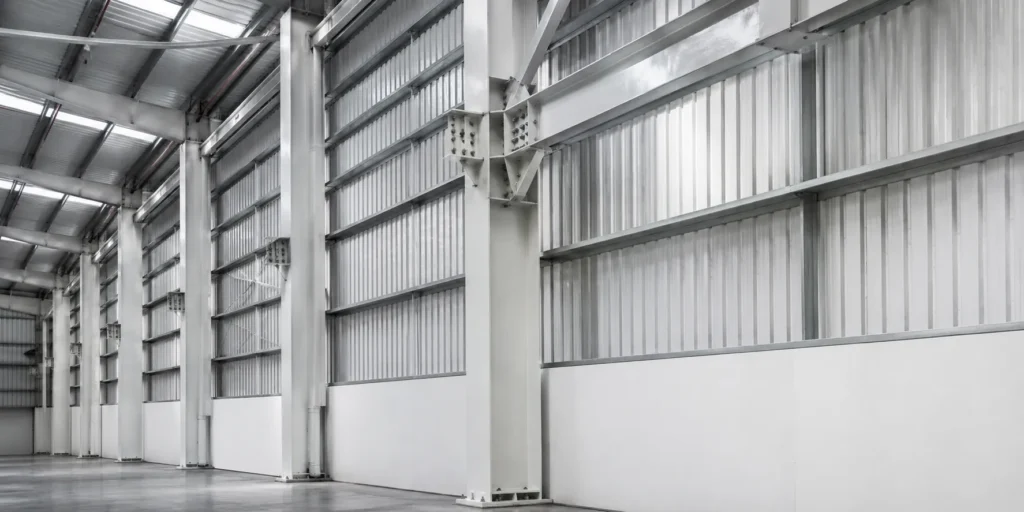
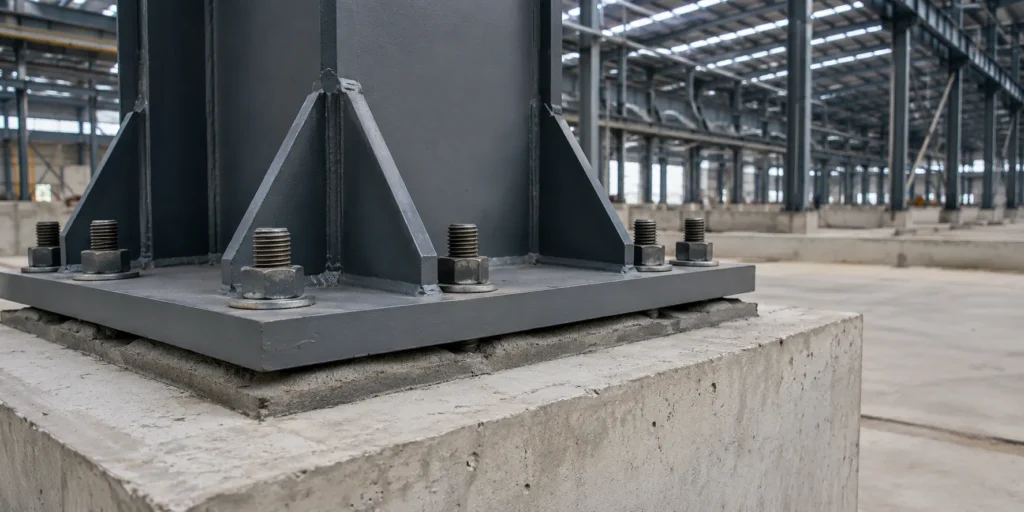
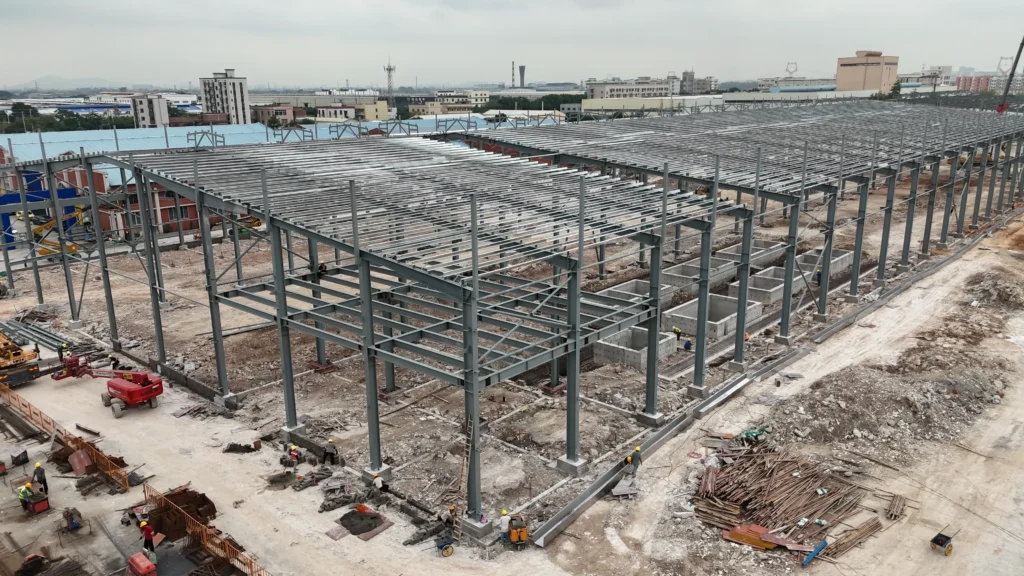
All huge factories, warehouses or processing plants require a very sturdy structural skeleton that can carry heavy loads, can be protected against environmental forces and can be maintained with limited upkeep for many years.
All parts of this structural skeleton are made up of steel columns. It is very important for people who are involved in designing, building or managing an industrial facility to learn about the different types of steel columns that go into these buildings and their functions as the wrong type of column will create major structural problems which could lead to extremely high costs for retrofitting and ongoing maintenance problems.
In fact, the kind of building that lasts for fifty years without producing problems is different from a building that begins to develop problems within ten years because the designers already made correct decisions regarding column selection, connection details, and protective coatings before pouring the first foundation.
The above information is not theoretical engineering; it directly affects different project budgets, workers’ safety, and the long-term operational costs which makes it extremely difficult to return to normal after placing the concrete and erecting steel.
What You Need to Know
Steel columns in industrial settings do more than hold up a roof. They transfer vertical loads from beams, trusses, and crane systems down through the foundation and into the soil. They resist lateral forces from wind, seismic activity, and the dynamic loads created by overhead cranes moving heavy materials across a factory floor. And they provide the rigid framework that keeps walls, cladding, and mezzanine floors in place.
Steel columns in industrial buildings also determine how wide the building bays can be, how much crane capacity the structure can support, and how flexible the interior layout will be for future operations.
The most common column types you’ll encounter in industrial construction fall into a few categories. Wide-flange sections (often called H-beams) are the workhorse of industrial framing because their flanges are nearly equal in width and depth, giving them strong resistance to bending in both axes. Standard I-beams, with their narrower flanges, work well for lighter loads or where the primary bending occurs in one direction. Hollow structural sections, both square and rectangular tubes, show up frequently in buildings where aesthetics matter or where the column needs to resist torsion. Built-up columns, fabricated by welding plates together into custom cross-sections, handle the heaviest loads you’ll find in steel mills, power plants, and heavy manufacturing facilities.
Stepped columns deserve special mention. These are columns that change cross-section at a specific height, typically where a crane runway bracket connects. The lower, heavier section carries both the building loads and the crane loads, while the upper section supports only the roof structure. You’ll see these constantly in buildings with overhead bridge cranes rated above 10 tons.
Laced and battened columns, built from two channels connected by diagonal lacing bars or horizontal batten plates, are less common in new construction but still appear in older facilities and in situations where very tall, slender columns need to span large heights without intermediate bracing.
Key Benefits
Choosing steel over concrete or timber for industrial columns brings specific, measurable advantages:
The load-bearing capacity of structural steel members is exceptional relative to their weight. A W14x90 wide-flange column weighing about 90 pounds per foot can support axial loads exceeding 500 kips depending on unbraced length, something that would require a much larger concrete section.
Steel columns can be fabricated off-site and erected quickly, reducing on-site construction time by 30-40% compared to cast-in-place concrete columns.
Modifications are straightforward. Need to add a mezzanine five years after construction? Steel columns can be reinforced with welded plates or bolted brackets without demolishing surrounding structure.
Recycling rates for structural steel exceed 90% in North America, which matters increasingly as environmental regulations tighten and clients demand lower embodied carbon.
Consistent material properties mean fewer surprises during construction. Steel arrives at the site with known yield strength, tensile strength, and ductility, unlike concrete, which can vary batch to batch.
The trade-off is that steel requires protection from fire and corrosion, two issues that concrete handles inherently. But those protections are well understood and manageable with proper planning.
Getting Started
Selecting and specifying steel columns for an industrial project requires a systematic approach. Skipping steps here leads to expensive change orders or, worse, structural inadequacy discovered after the building is operational.
Step-by-Step Guide
1.Define your loads thoroughly. This means dead loads from the structure itself, live loads from occupancy and stored materials, crane loads including dynamic impact factors, wind loads per your local building code, and seismic loads if applicable. Crane loads are the one area where industrial buildings differ most from commercial construction, and underestimating them is a common and costly mistake.
2.Establish your column grid. Industrial buildings typically use bay spacings of 20 to 40 feet in one direction and 30 to 60 feet in the other, depending on the process layout. Wider bays mean fewer columns obstructing the floor, but they require heavier sections and more expensive foundations.
3.Select the column type based on your load analysis. For buildings without cranes or with light-duty cranes under 5 tons, standard wide-flange columns usually work fine. For medium-duty cranes in the 5 to 20 ton range, you might still use wide-flange sections but with heavier profiles and dedicated crane brackets. For heavy-duty cranes above 20 tons, stepped columns or built-up sections become necessary.
4.Design the base plate connection. Base plate design for heavy-duty steel columns is critical because it’s the interface between the steel superstructure and the concrete foundation. An undersized base plate concentrates stress on the concrete, causing cracking and settlement. The plate thickness, anchor bolt pattern, and grout bed all need to be engineered together. A typical heavy industrial column might require a base plate 2 to 3 inches thick with six to eight anchor bolts.
5.Specify the steel grade. ASTM A992 is the standard for wide-flange shapes in 2026, with a minimum yield strength of 50 ksi. For hollow sections, ASTM A500 Grade C at 50 ksi is typical. Higher-strength steels exist but aren’t always cost-effective for columns where stiffness, not strength, often governs the design.
6.Address fire and corrosion protection early. Don’t treat these as afterthoughts. Fireproofing methods for industrial steel frames include spray-applied fire-resistive materials (SFRM), intumescent coatings that swell when heated, and concrete encasement. The choice depends on the fire rating required, the environment, and whether the columns will be exposed to physical damage from forklifts or material handling.
Best Practices
The gap between a competent column design and an excellent one usually comes down to details that don’t show up in the initial structural calculations.
Corrosion protection for steel columns in factories varies enormously depending on the environment. A climate-controlled electronics assembly plant needs minimal protection: a standard primer and finish coat will last 15 to 20 years. A chemical processing facility or a coastal warehouse is a completely different situation. In aggressive environments, hot-dip galvanizing provides the most durable protection, with service life exceeding 50 years in many cases. For columns exposed to specific chemicals, epoxy or polyurethane coating systems applied over blast-cleaned surfaces perform well, but they require periodic inspection and touch-up every 10 to 15 years.
Pay attention to the H-beam vs I-beam column decision because it affects more than just load capacity. Wide-flange H-beams have thicker flanges and a more balanced cross-section, making them easier to connect to beams in both directions. Standard I-beams, while adequate for many applications, have thinner flanges that complicate moment connections and limit their usefulness as columns in rigid frames. In practice, most structural engineers default to wide-flange sections for columns and reserve I-beams for simple beam applications.
Splice locations matter more than many people realize. Columns in tall industrial buildings often need field splices because shipping lengths are limited to about 60 feet. Place splices at least 2 feet above the finished floor level of any mezzanine or working platform, and never at the point of maximum moment. Bolted splices are preferred over field-welded splices for quality control reasons.
Bracing strategy is another area where industrial buildings differ from commercial ones. In a warehouse, cross-bracing in the end bays and along one or two interior lines typically provides adequate lateral resistance. In a heavy industrial building with crane loads generating significant lateral forces, moment frames or a combination of bracing and moment frames may be necessary. The choice affects column sizes throughout the building because moment frame columns carry bending forces that braced-frame columns don’t.
Don’t overlook serviceability. A column that’s strong enough to carry the load but deflects excessively under crane operation will cause problems with crane rail alignment, wall panel cracking, and door frame distortion. Drift limits for industrial buildings with cranes are typically more stringent than for standard commercial buildings, often limited to height divided by 240 or tighter.
One practical tip that saves headaches: coordinate your column layout with mechanical and process equipment early. Moving a column 3 feet during the design phase costs almost nothing. Moving it after the foundations are poured costs tens of thousands of dollars and delays the schedule.
Conclusion
Steel columns are the structural core of any industrial building, and the decisions made about their type, size, connections, and protection determine how well the building performs over its entire service life. The fundamentals haven’t changed: match the column type to the loads, design the base plate connection properly, protect against fire and corrosion based on the actual environment, and coordinate the structural layout with the operational needs of the facility.
What has changed is the increasing emphasis on long-term durability and lifecycle cost rather than just initial construction cost. A building that costs 5% more upfront but requires half the maintenance over 30 years is the better investment every time. If you’re planning an industrial facility, bring your structural engineer into the conversation early, share your operational requirements honestly, and don’t cut corners on corrosion protection or base plate details. Those are the areas where shortcuts create the most expensive problems.
Steel column design should always follow local building codes, project load requirements, and professional engineering standards. For additional technical reference, the American Institute of Steel Construction provides useful resources on structural steel design, member selection, and connection requirements.
FAQ
① What is a steel structure building?
A steel structure building is a construction made primarily from high-strength steel components such as H-beams and columns. It is widely used for warehouses, workshops, poultry farms, and industrial facilities due to its durability and cost efficiency.
②How much does a steel building cost?
Steel building costs depend on dimensions, structural loads, material specifications, project location and the agreed scope of supply. A preliminary quotation can start with the main steel structure. Roof and wall panels, freight, foundations and installation should be considered separately when required. Customized solutions may vary based on specific requirements.
③How long does it take to build a steel structure?
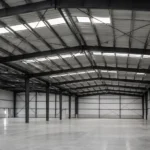
Manufacturing lead times depend on the building dimensions, structural complexity, material specifications and production schedule. An estimated production timeline can be provided after reviewing the project requirements. Installation duration depends on site conditions, building complexity and the agreed scope of work.
④Do you provide installation support?
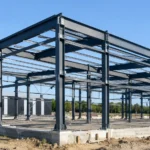
Installation documentation and technical support depend on the agreed scope of each project. If you require installation assistance, please let us know during the inquiry so we can review the available options, responsibilities and local requirements.
⑤Can steel buildings withstand extreme weather?
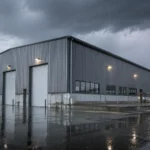
Steel buildings can be engineered for project-specific wind, snow and seismic loads, subject to applicable design codes, structural calculations and local site conditions. The required design loads and standards must be confirmed before structural engineering begins.