Share This :
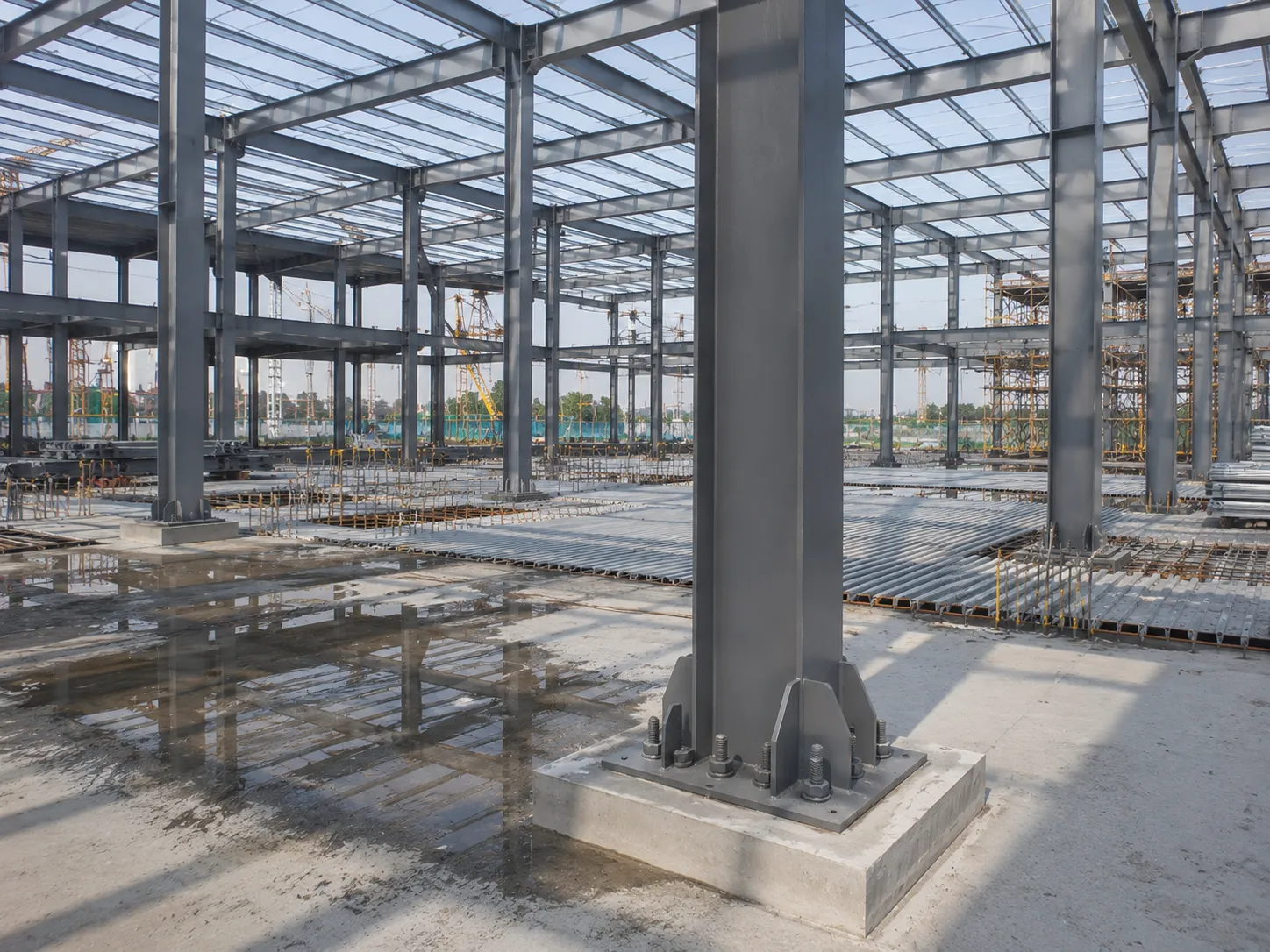
Steel buildings vs concrete structures is a common comparison for industrial, commercial, warehouse, and agricultural construction projects. Steel buildings are becoming more popular because they offer faster installation, flexible design, lighter structural weight, and easier future expansion. Traditional concrete structures are still useful in many projects, but they often require longer construction time, heavier foundations, and more complex on-site work.
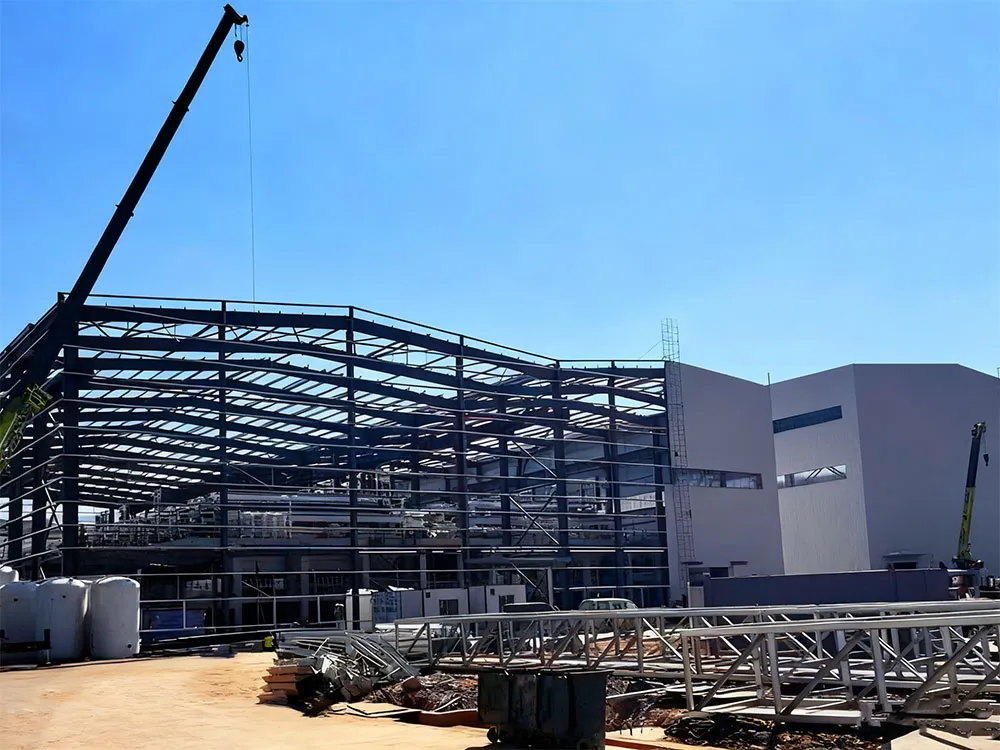
Construction sites across the country tell a story that’s hard to ignore. Where concrete trucks and wooden formwork once dominated, prefabricated steel frames now arrive on flatbeds and go up in a fraction of the time. The shift has been building for years, but 2026 feels like the tipping point. Commercial developers, warehouse operators, and even residential builders are choosing steel at rates that would have seemed unlikely a decade ago.
The reasons aren’t mysterious: steel is faster, often cheaper over a building’s lifetime, more sustainable, and far more adaptable than poured concrete. Understanding why steel buildings are steadily replacing traditional concrete structures comes down to hard numbers and practical realities, not hype. If you’re planning any kind of construction project this year, the case for steel deserves a serious look, because the economics, engineering, and environmental math have shifted decisively.
The Evolution of Modern Construction Materials
Concrete has been the backbone of construction for over a century. The Roman Pantheon still stands as proof of its longevity, and modern reinforced concrete made skyscrapers, dams, and highway systems possible throughout the 20th century. But the material hasn’t evolved as quickly as the demands placed on it. Concrete is heavy, slow to cure, labor-intensive to form, and difficult to modify once set.
Steel, by contrast, has undergone a quiet revolution. Advances in alloy composition, computer-aided manufacturing, and modular prefabrication have made structural steel lighter, stronger, and dramatically faster to install than it was even 15 years ago. The American Institute of Steel Construction reported in 2025 that prefabricated steel framing now accounts for more than 60% of new non-residential construction starts in the U.S., up from roughly 45% in 2018.
The shift isn’t about one material being universally “better.” It’s about the specific advantages steel offers aligning with what modern builders actually need: speed, predictability, sustainability, and flexibility. Concrete still has its place in foundations, floors, and certain specialized applications. But for the primary structural system of a building, steel has pulled ahead in most categories that matter to owners and developers.
Economic Advantages of Steel Over Concrete
Money talks in construction, and the financial argument for steel has become difficult to counter. While raw material costs fluctuate, the total project cost for steel buildings frequently comes in lower than equivalent concrete structures once you factor in labor, timelines, and long-term expenses.
Reduced Construction Timelines and Labor Costs
A concrete structure requires formwork, rebar placement, pouring, curing, and stripping, and each of those steps demands skilled labor and dry weather. A typical commercial concrete frame might take 12 to 18 months to complete. A comparable steel frame, fabricated off-site and bolted together on location, can be erected in 4 to 8 months.
That speed difference translates directly into money. Shorter construction means fewer months of loan interest, earlier occupancy, and faster revenue generation. Labor costs drop too, because steel erection crews are smaller than concrete forming crews. A 50,000-square-foot warehouse framed in steel might require a crew of 8 to 12 workers for the structural phase, while the same building in concrete could need 25 to 35 workers over a longer period. When you multiply that by current skilled labor rates, which have climbed 18% since 2022 in most markets, the savings are substantial.

Long-term Maintenance and Insurance Savings
Steel doesn’t crack, spall, or develop the rebar corrosion problems that plague aging concrete. A properly coated steel structure can go decades with minimal maintenance beyond periodic inspections and touch-up painting. Concrete buildings, especially in freeze-thaw climates or coastal environments, often need expensive repairs within 15 to 20 years as moisture penetrates and corrodes the reinforcing steel inside.
Insurance companies have noticed. Many carriers now offer lower premiums for steel-framed buildings due to their fire resistance ratings and structural predictability. A pre-engineered metal building with proper fire-rated cladding can qualify for insurance rates 20 to 30% lower than a comparable wood-frame structure and 10 to 15% lower than some concrete designs, depending on occupancy type and location.
Superior Structural Performance and Durability
Beyond cost, steel simply performs better under stress. This matters enormously in regions prone to extreme weather, seismic activity, or heavy snow loads.
High Strength-to-Weight Ratio
Steel’s strength-to-weight ratio is roughly 10 to 15 times that of concrete. A steel beam capable of spanning 60 feet might weigh 2,000 pounds, while a concrete beam with the same load capacity could weigh 15,000 pounds or more. That difference cascades through the entire building: lighter structural frames mean smaller foundations, less excavation, and reduced material costs at every level.
This ratio also means steel buildings can achieve longer spans without intermediate columns. For warehouses, aircraft hangars, sports facilities, and retail spaces, that open floor area is not just an aesthetic preference: it’s a functional requirement. Concrete can achieve long spans too, but typically requires post-tensioning or deep beams that add cost and complexity.
Resistance to Natural Disasters and Seismic Activity
Steel is ductile, meaning it bends before it breaks. In an earthquake, a steel frame absorbs and dissipates energy through controlled deformation rather than sudden, catastrophic failure. Concrete, by nature, is brittle. Reinforced concrete can be engineered for seismic zones, but it requires significantly more material and design effort to achieve the same performance level.
Hurricane and high-wind resistance follows a similar pattern. Steel connections can be engineered to handle extreme uplift and lateral forces with relatively simple bolted or welded joints. After Hurricane Ian in 2022 and the severe Gulf Coast storms of 2025, post-disaster assessments consistently showed steel-framed buildings surviving with less structural damage than concrete block or tilt-up concrete structures in the same areas.
Environmental Impact and Sustainability
The environmental case for steel has strengthened considerably as the construction industry faces increasing pressure to reduce its carbon output.
Recyclability and Reduced Carbon Footprint
Steel is the most recycled material on Earth. According to the World Steel Association, the global recycling rate for structural steel exceeds 90%. When a steel building reaches the end of its useful life, the frame can be dismantled and the steel melted down and reformed without any loss of structural properties. Concrete recycling exists, but it typically produces aggregate for road base, not new structural concrete.
The carbon picture is more nuanced. Concrete production, specifically cement manufacturing, accounts for roughly 8% of global CO2 emissions. Steel production also generates significant carbon, but the industry has made faster progress in reducing its footprint. Electric arc furnace steelmaking, which uses recycled scrap as its primary input, produces about 75% less CO2 per ton than traditional blast furnace methods. By 2026, EAF steel accounts for nearly 70% of U.S. steel production, a figure that continues to climb.
Energy Efficiency in Prefabricated Designs
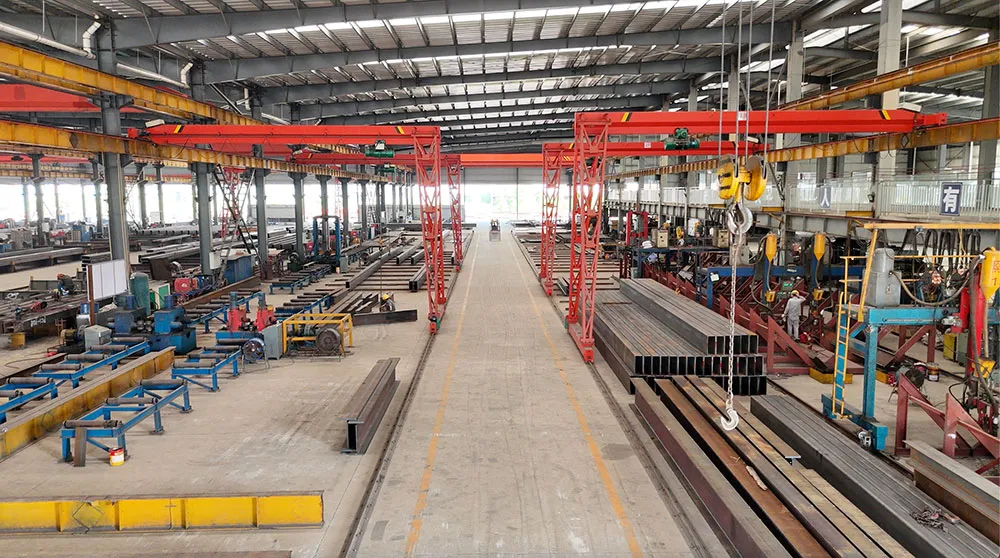
Prefabricated steel buildings are manufactured in controlled factory environments, which dramatically reduces material waste. Typical construction waste for a site-built concrete project runs 10 to 15% of total materials. For a prefabricated steel building, waste rates drop below 2% because every component is cut and drilled to specification before it leaves the factory.
The precision of factory fabrication also means tighter building envelopes. Steel panels and insulated metal wall systems can achieve R-values of 30 or higher, and the tight tolerances reduce air infiltration compared to field-assembled concrete block walls. For building owners focused on energy costs, that translates into measurable savings on heating and cooling, year after year.
Architectural Versatility and Design Freedom
One persistent myth about steel buildings is that they all look like warehouses or airplane hangars. That hasn’t been true for years, and in 2026, the design possibilities with steel rival or exceed what concrete offers.
Clear-Span Capabilities for Large Interiors
Clear-span steel frames can cover widths of 200 feet or more without a single interior column. This capability has made steel the default choice for convention centers, indoor sports arenas, big-box retail, and modern distribution centers where unobstructed floor space is essential for operations.
But the same principle applies at smaller scales. Churches, event venues, and even upscale restaurants use clear-span steel to create dramatic interior spaces that would be prohibitively expensive in concrete. The structural efficiency means architects can dedicate more of the budget to finishes, facades, and interior design rather than the bones of the building.
Ease of Future Expansion and Modifications
Here’s where steel really separates itself from concrete: adaptability. A steel building can be expanded by unbolting an end wall, extending the frame, and reattaching the cladding. Adding a mezzanine, relocating interior walls, or increasing the building’s height are all feasible modifications that would be extremely difficult and expensive with a concrete structure.
For businesses that expect to grow, this flexibility is a major factor. A distribution company that builds a 30,000-square-foot steel warehouse today can double its footprint in five years without demolishing anything. Try that with a poured concrete building and you’re looking at months of structural engineering, demolition, and reconstruction. The ability to modify and expand is one of the clearest reasons steel buildings are overtaking concrete in commercial and industrial sectors.
The Future Landscape of Industrial and Residential Building
The trend toward steel is accelerating, not slowing. Residential steel framing, once a niche product, has gained traction as lumber prices remain volatile and builders seek faster construction methods. Multi-story residential projects using light-gauge steel framing have increased 35% since 2023, according to the Steel Framing Industry Association.
On the industrial side, the explosion of e-commerce fulfillment centers, data centers, and EV manufacturing plants has created enormous demand for large, adaptable structures that can be built quickly. Steel is the obvious answer for nearly all of these applications. The question for most developers is no longer whether to use steel, but which steel system best fits their project.
If you’re evaluating your next building project, the numbers make the case clearly: steel delivers faster timelines, lower lifetime costs, superior performance under stress, genuine sustainability advantages, and the flexibility to adapt as your needs change. Concrete still earns its place in specific applications, but for the primary structure of most new buildings in 2026, steel has become the smarter choice. Talk to a pre-engineered metal building supplier and run the numbers for your specific project. The comparison will likely speak for itself.
For more information about steel and its role in modern construction, you can refer to the World Steel Association.