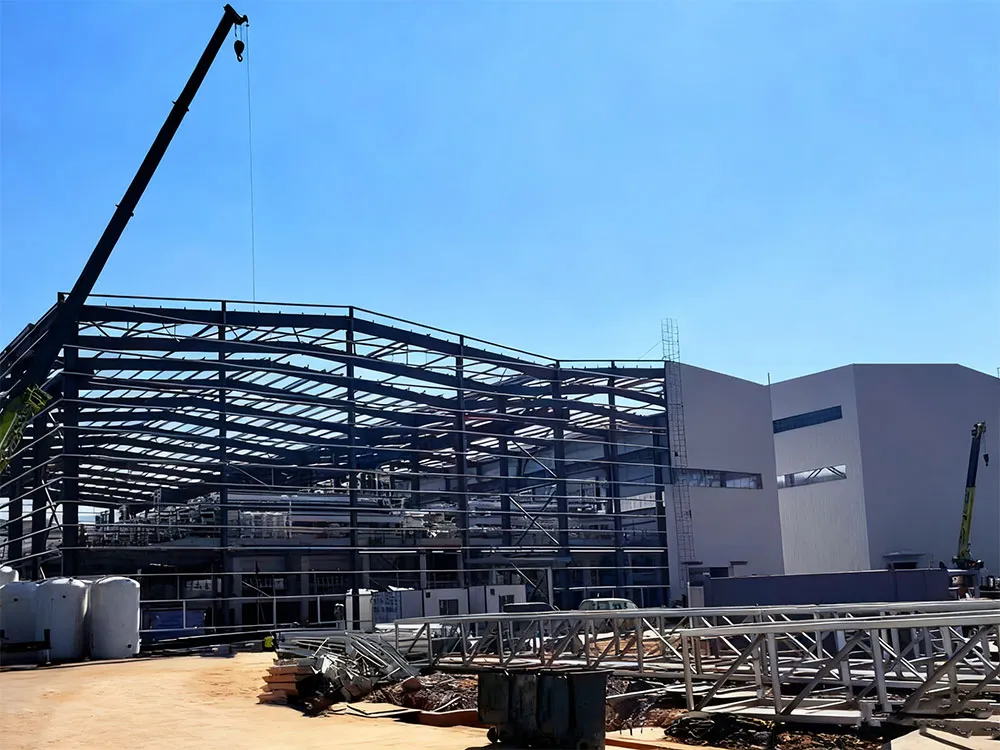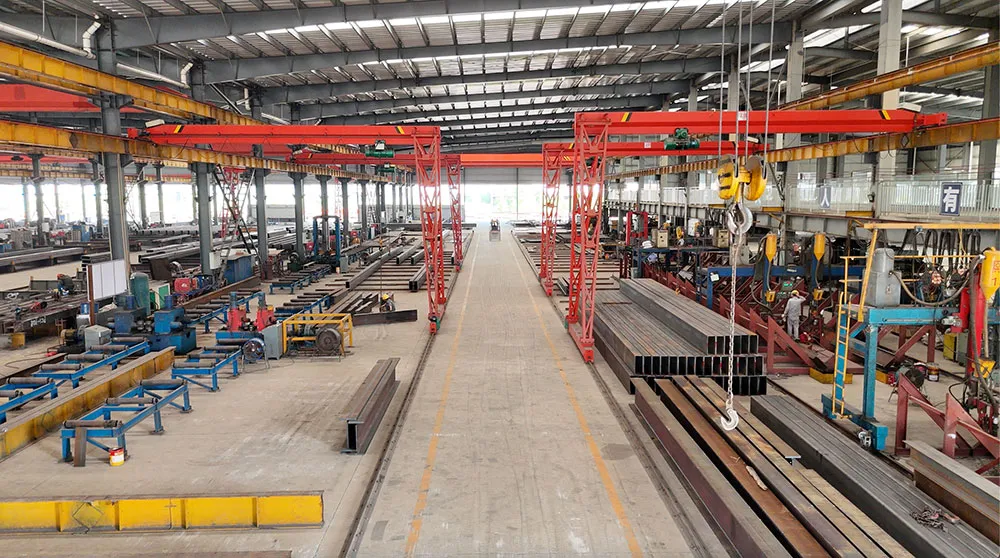
A steel structure logistics warehouse is planned around the movement of goods. Before the steel frame is finalized, the project team should understand how inbound goods are received, stored, picked, consolidated, packed, and shipped. These operational requirements influence column spacing, clear height, door positions, floor interfaces, and the overall building footprint.
This guide is written for international buyers, logistics developers, contractors, and procurement teams who need to coordinate layout, structural design, and supply scope before requesting a preliminary quotation. It focuses on planning issues specific to logistics warehouses rather than general steel building marketing.
Planning the Logistics Workflow Before Building Design
The logistics workflow should be defined before the structural grid is fixed. A typical flow includes receiving, unloading, inbound staging, storage, picking, packing, outbound staging, and loading. Each stage requires space, access, and sometimes a specific environmental or safety condition.
Receiving and shipping areas need sufficient maneuvering room for the vehicles used in the project. Storage areas must match the racking or bulk storage method. Picking and packing zones may require additional space for equipment, workstations, and temporary buffers. If the operation changes frequently, the layout should allow reasonable flexibility without compromising the structural system.
The goal is not to design the steel frame first and fit the operation around it. The operational flow should inform building dimensions and the positions of internal columns, doors, and service areas. This sequence reduces the risk of layout conflicts during detailed design and construction.
Warehouse Layout, Racking and Material Handling
Racking systems, forklifts, reach trucks, and other material handling equipment directly affect warehouse layout. Racking type and height help establish the required clear height, together with equipment operating clearances and fire protection requirements. Aisle width depends on equipment type, load dimensions, and turning requirements. Racking row positions may also influence where internal columns can be placed without obstructing operations.
Material handling equipment is not automatically part of a steel structure supply scope. The buyer or project engineer should confirm equipment type, lifting height, load capacity, and operating envelope. This information is then used to coordinate the building layout with the steel frame design.
If the warehouse will use automated or semi-automated handling systems, tolerance and interface requirements may be more demanding. These systems should be discussed with the equipment supplier and the structural designer early in the project.
Steel Frame Layout, Column Spacing, Eave Height and Clear Height
Span, column spacing, eave height, and clear height are different terms and should not be used interchangeably. Span is the distance between primary frame supports. Column spacing is the distance between columns along the building length. Eave height refers to the height at the roof-to-wall line; its exact measurement datum should be confirmed in the project drawings and specifications.
Clear height is the usable vertical distance from the finished floor to the lowest obstruction inside the building. It is not the same as eave height. Clear height may be reduced by the bottom of rafters or beams, purlins, bracing, sprinkler mains, light fixtures, ventilation ducts, fire protection equipment, and other services. For a logistics warehouse, clear height is usually the more important dimension because it determines usable racking height and equipment operation.
A larger span or wider column spacing can create more open floor area, but it is not always the most efficient solution. Some logistics warehouses can use internal columns if they are positioned outside primary traffic and storage zones. The appropriate layout depends on the racking plan, forklift routes, fire compartmentation, and structural design.
The project structural engineer should confirm the final span, column spacing, eave height, and clear height based on the intended use, local design requirements, and the loads imposed on the structure.
Loading Docks, Doors and Floor Interfaces
Loading docks, grade-level doors, and drive-in doors are key interfaces between the building and the logistics operation. The number, size, and type of doors affect wall framing, bracing layout, and internal traffic flow. Dock levelers, seals, shelters, and vehicle restraints may also require coordination with the building structure and floor slab.
Floor interfaces are equally important. Floor flatness, joint layout, and slab capacity should be confirmed with the responsible civil or structural engineer, especially where racking, forklifts, or heavy equipment will operate. Racking leg loads are concentrated loads, while forklift traffic introduces moving and repeated loading. These demands must be considered in floor slab and subgrade design; any effects on foundations or other structural elements depend on the selected support system. Floor slab design and construction are not automatically included in the steel frame supply scope.
The positions of doors and docks should be coordinated with the structural bracing system. Large openings can interrupt bracing lines, so the structural designer may need to adjust bracing layout or add local framing.
Structural Loads and Local Design Requirements
Structural design loads depend on the project location and applicable local codes. Wind, snow, seismic and roof live loads should be established for the building, while floor and racking loads must be coordinated with the appropriate floor-support design. Other loads may include those from building services, sprinkler systems and suspended equipment.
Local requirements for fire resistance, thermal performance, and energy use should also be confirmed. These requirements can affect the choice of roof and wall systems, insulation, and connection detailing. They should not be assumed to be the same for every project.
The project engineer is responsible for confirming design criteria and ensuring the steel structure is designed accordingly. A supplier should not guarantee compliance with a specific code unless the project requirements and design basis have been reviewed and agreed.
Typical Steel Frame Supply Scope
A preliminary steel frame quotation is normally based on the primary steel structure. This typically centers on steel columns, steel beams or rafters, bracing systems, and connection plates and bolts. Purlins, wall girts, anchor bolts or embedded items, cladding, insulation, and other materials may be included or excluded depending on the project and the quotation. They should not be assumed to be part of the steel frame scope without written confirmation.
Roof and wall cladding, insulation, skylights, ventilation, fire protection, foundation, floor slab, dock equipment, material handling equipment, transport, and site installation are not automatically included. They may be supplied by others or quoted separately.
For warehouse building options and direct quotation, see steel warehouse buildings. For general planning guidance on prefabricated warehouse structures, see prefabricated steel structure warehouse.
Information Needed for a Preliminary Steel Frame Quote
A preliminary steel frame quotation can be prepared with basic project information. The following items are usually requested first:
- Project location
- Approximate length × width × eave height
- Intended warehouse or logistics use
- Existing drawings, if available
If drawings are not yet available, the project can still be discussed. Racking layout, forklift data, door positions, design loads, and cladding requirements can be confirmed later when they are relevant. The first quotation is normally based on the steel structure supply scope, not the complete building package.
To discuss layout and supply scope for your logistics warehouse, contact the project team with the basic project information above.
Frequently Asked Questions
What information is needed for a preliminary steel frame quote?
The usual starting information includes project location, approximate length, width, and eave height, the intended logistics or storage use, and any available drawings. More detailed requirements can be confirmed later.
Can a logistics warehouse be designed without internal columns?
A clear-span design may be possible for some logistics warehouses, but it depends on the required span, roof loads, intended use, and structural solution. A clear-span layout is not automatically the most efficient or suitable option. The project structural engineer should confirm whether it fits the specific building and operation.
How do racking and forklifts affect the building design?
Racking height affects required clear height. Forklift type, aisle width, and turning radius affect internal layout and may influence column positions. Racking leg loads and forklift traffic also affect floor slab and foundation design. These requirements should be coordinated before the steel frame is finalized.
Request a Project-Specific Review
Every logistics warehouse project has different workflow, layout, and design requirements. To request a project-specific review, send the project location, approximate dimensions, intended use, and any available drawings. The project team can then discuss the steel structure scope and the information needed for the next stage.