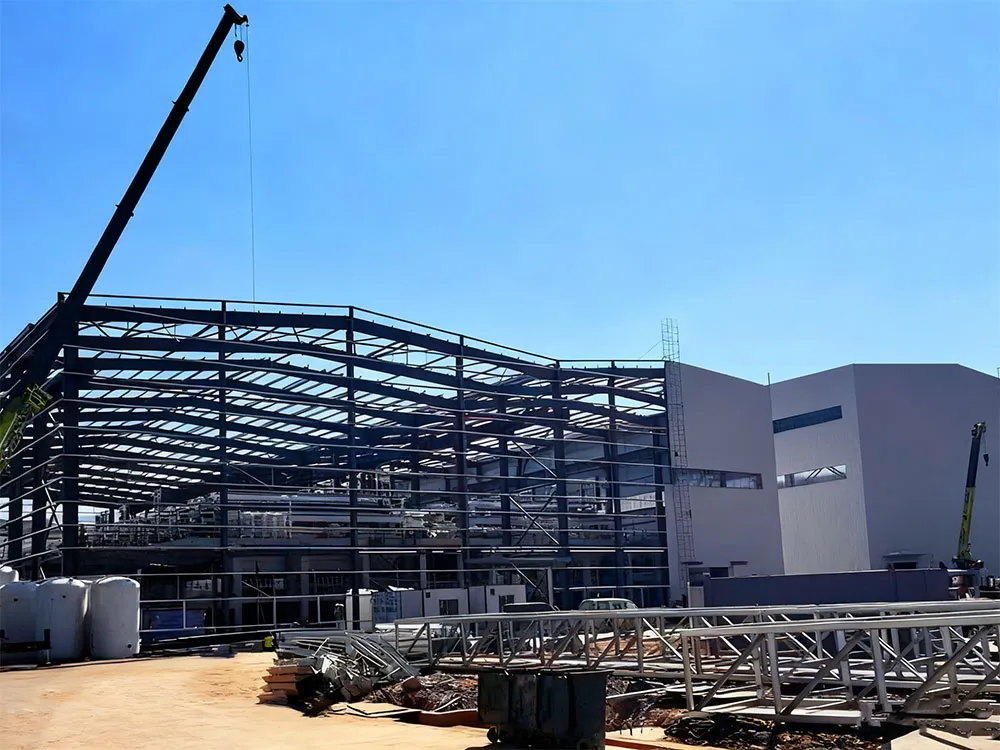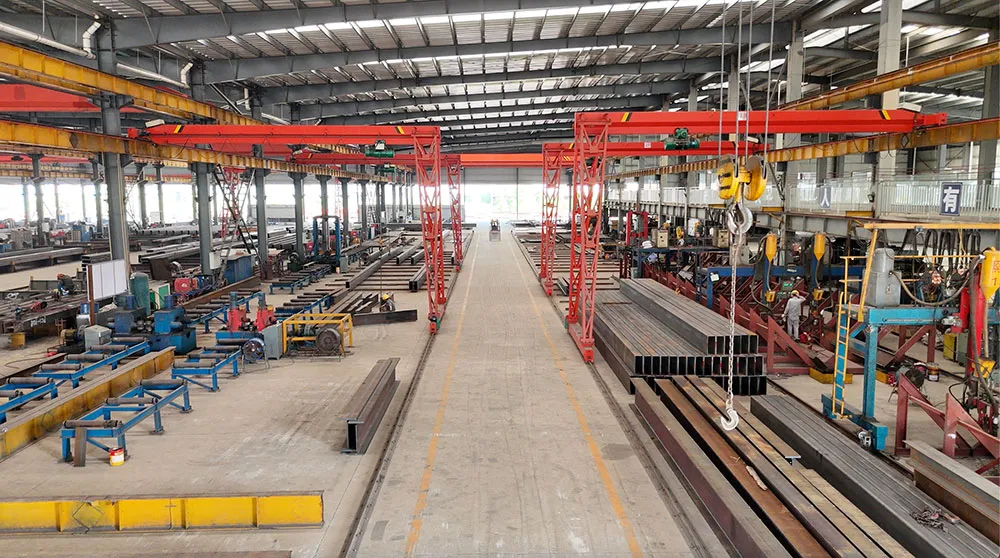
How long do steel buildings last? In most cases, a well-designed and properly maintained steel building can last 50 years or more.
Author:David Ran
This article discusses steel building components, fabrication, and project planning. Project-specific technical requirements should be confirmed during engineering review.
Share This :
People who plan to put up a metal structure for their house, shop, or office all ask the same question–how long do steel buildings really last? The answer to that is incredible, which is why so many people are using steel as their main building material! Steel can be used to build everything from barns that farmers occupy to large commercial structures.
A good steel building should be able to last long after the person who built it, but the actual number of years a steel building lasts can vary due to several factors. Four key factors such as climate, the manner of maintaining the steel structure, quality of the finish, and the design of the foundation, will determine whether a steel building will last 50 years or over 100 years.
Below is an honest and practical assessment determining the longevity of a steel building, along with what one must do to maximize such investment. You are contemplating whether to invest in a steel, wood, or concrete structure, as well as if you are a steel building owner who needs to know how to protect your investment, this information should save you money and time and take out the guesswork for you.
How Long Do Steel Buildings Last on Average?Average Lifespan of Modern Steel Buildings
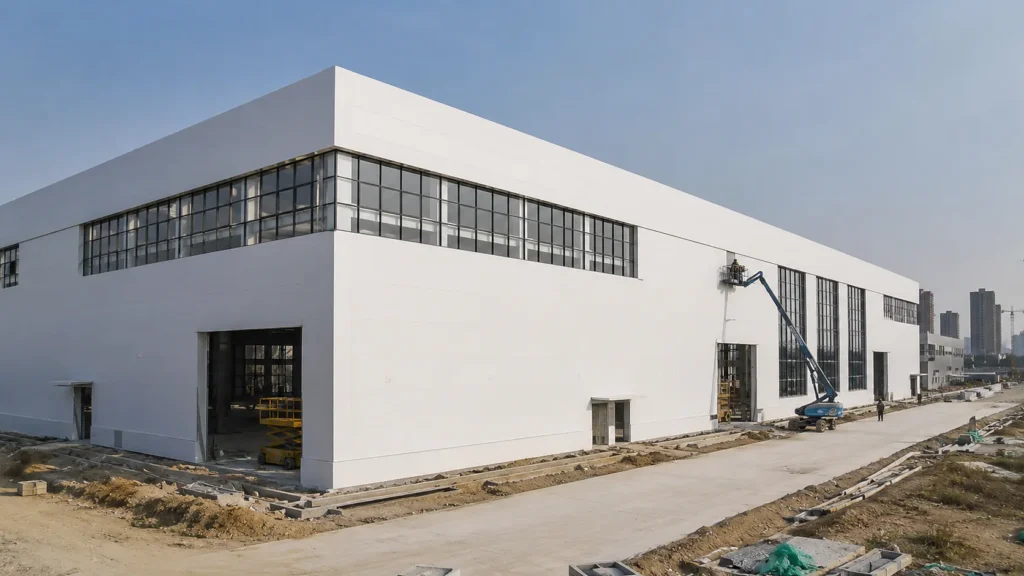
Most modern steel buildings are engineered to last between 50 and 100 years with proper care. That’s not marketing hype: it’s based on decades of real-world performance data from structures built in the mid-20th century that are still standing and functional today. Some steel buildings from the 1940s and 1950s remain in active use with only moderate maintenance over their lifetimes.
The wide range in lifespan comes down to how the building is used, where it’s located, and how well it’s maintained. A climate-controlled steel office building in Arizona will age very differently than an open-walled agricultural building on the Gulf Coast. The steel itself doesn’t “expire,” but the protective systems around it do, and that’s where most degradation begins.
Residential vs. Industrial Durability Expectations
Steel-framed homes and residential buildings typically enjoy longer functional lifespans because they’re enclosed, climate-controlled, and subject to less physical abuse. A residential steel frame can last 100 years or more without significant structural concern, assuming the exterior envelope stays intact and moisture is managed.
Industrial buildings face harsher conditions. Warehouses, manufacturing plants, and agricultural structures deal with chemical exposure, heavy equipment vibration, frequent door cycling, and sometimes corrosive materials stored inside. These buildings might need major coating or panel replacement around the 30- to 40-year mark, though the primary steel frame often remains sound for 60 to 80 years even in tough environments.
Comparison with Wood and Concrete Structures
Wood-framed buildings have an average functional lifespan of 30 to 50 years before they require major structural work. Termites, rot, warping, and moisture damage are constant threats, and even treated lumber degrades over time. Insurance costs for wood structures also tend to be higher due to fire risk.
Concrete can last 75 to 100 years, but it’s susceptible to cracking, spalling, and rebar corrosion, especially in freeze-thaw climates. Repairs to concrete structures are expensive and disruptive. Steel offers a middle ground: lighter than concrete, far more durable than wood, and significantly easier to modify or expand decades after initial construction.
Key Factors Influencing Steel Longevity
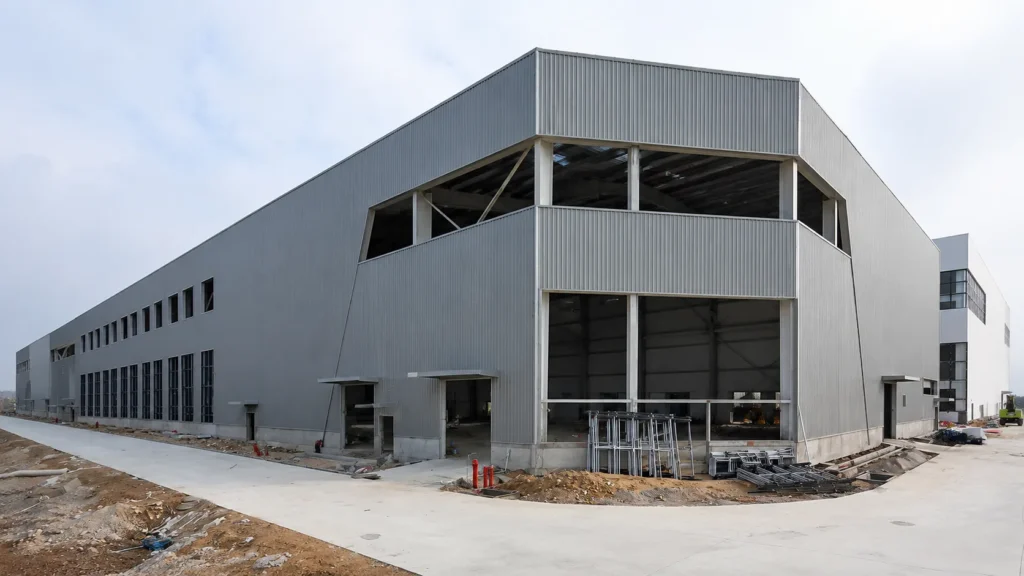
No two steel buildings age the same way. The difference between a structure that lasts 40 years and one that lasts 100 comes down to a handful of controllable factors. Understanding these variables helps you make smarter decisions during both the design phase and the decades of ownership that follow.
Environmental Conditions and Corrosion Risks
Corrosion is the single biggest threat to steel’s longevity. Buildings in coastal areas face salt-laden air that accelerates oxidation. Structures in humid subtropical climates deal with persistent moisture. Industrial zones with chemical pollutants in the air create another layer of risk.
A steel building in a dry, inland climate like Nevada or Colorado will naturally outlast an identical structure in coastal Florida or Louisiana, all else being equal. If you’re building in a high-corrosion zone, plan to spend more on protective coatings and budget for more frequent inspections. The upfront cost difference is minor compared to the decades of extended life you’ll gain.
Quality of Protective Coatings and Galvanization
The steel itself is only as durable as the coating protecting it. Hot-dip galvanization, where steel is submerged in molten zinc, creates a barrier that can protect the underlying metal for 50 to 75 years in moderate environments. Galvalume coatings, which combine zinc and aluminum, offer even better corrosion resistance and have become the industry standard for steel building panels in 2026.
Paint systems matter too. A high-quality PVDF (polyvinylidene fluoride) finish on exterior panels can maintain its integrity for 30 to 40 years before needing recoating. Cheaper acrylic or polyester finishes might start fading and chalking within 10 to 15 years. Spending an extra 10 to 15 percent on premium coatings during construction is one of the highest-return decisions you can make.
The Role of Proper Foundation and Drainage
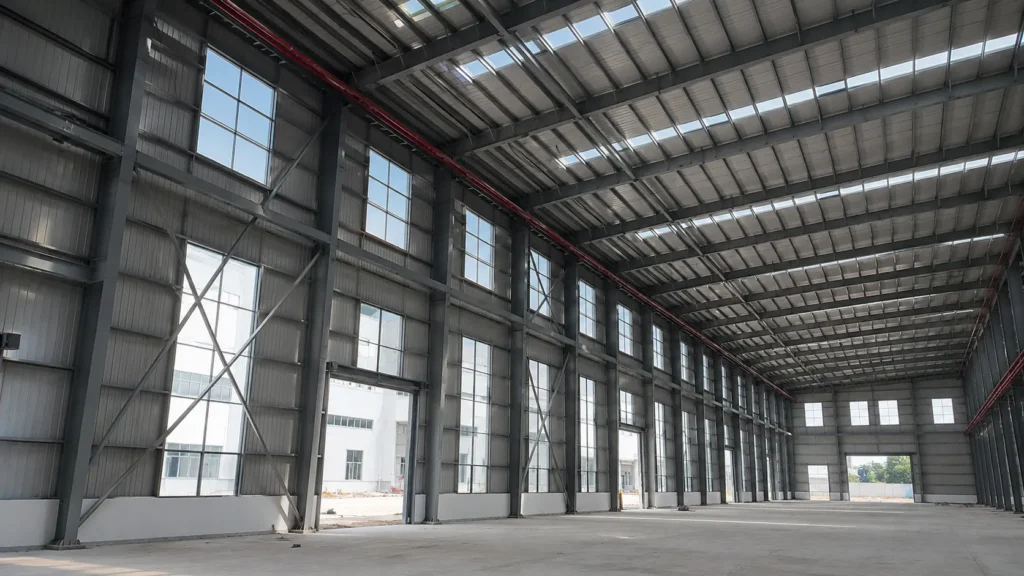
A steel building is only as good as what it sits on. Improper drainage around the foundation leads to standing water, which accelerates corrosion at the base of wall panels and columns: the exact spots where structural failure is most dangerous.
Concrete foundations should be engineered with adequate slope for water runoff, and gutters and downspouts need to direct water well away from the building perimeter. Buildings with slab-on-grade foundations should include moisture barriers and proper grading. Poor site grading can direct rainwater toward a steel building and contribute to moisture accumulation and corrosion at column bases. Drainage details and site conditions should be reviewed during design and construction.
Essential Maintenance for Extending Service Life
Steel buildings are often marketed as “maintenance-free,” which is misleading. They’re low-maintenance compared to wood, absolutely, but no building material is truly maintenance-free. The good news is that the maintenance steel requires is straightforward and inexpensive if you stay on schedule.
Routine Inspection and Cleaning Protocols
A twice-yearly visual inspection is the bare minimum. Walk the exterior and look for scratches, dents, discoloration, or any spots where the coating appears compromised. Check fasteners for looseness or corrosion. Inspect sealant around doors, windows, and roof penetrations.
Cleaning the exterior panels once or twice a year with a pressure washer removes dirt, pollen, bird droppings, and other contaminants that trap moisture against the surface. Pay special attention to the bottom 18 inches of wall panels, where splash-back from rain creates a persistent wet zone. For roof panels, clear debris from valleys and gutters to prevent pooling water.
Managing Rust and Surface Damage Promptly
Small rust spots are not emergencies, but they become emergencies if ignored. A scratch through the galvanized coating that goes untreated for a year might develop into a pinhole. Left for five years, that pinhole becomes a structural concern.
The fix is simple: wire-brush the affected area, apply a zinc-rich primer, and topcoat with a matching paint. Total cost for a small repair is under $50 in materials and maybe 30 minutes of labor. Compare that to replacing an entire panel section for $500 to $2,000 because the rust was allowed to spread. Keeping a small repair kit on hand and addressing damage within weeks of discovery is the single most cost-effective maintenance habit you can develop.
Structural Advantages of Pre-Engineered Steel
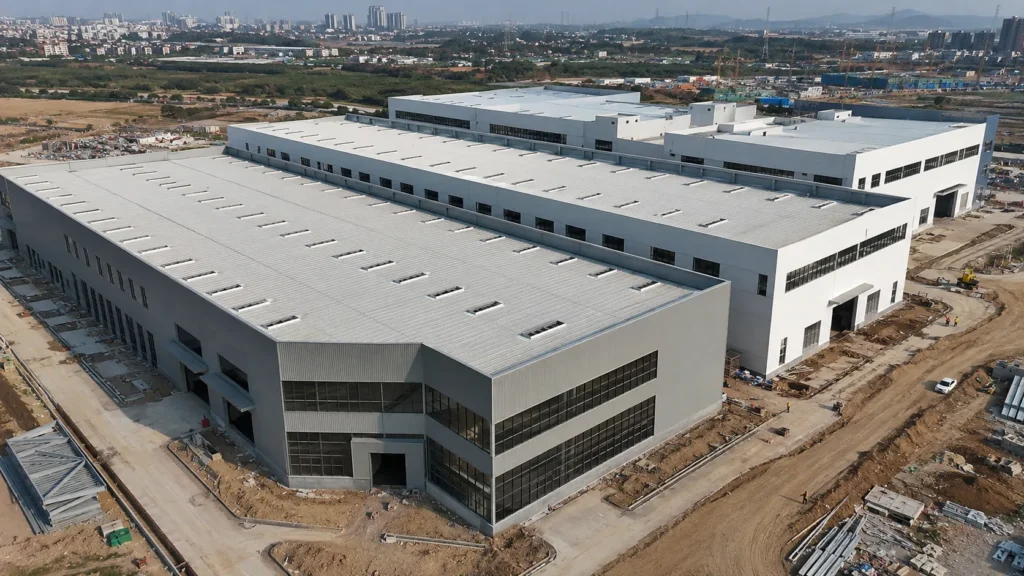
Pre-engineered metal buildings, often called PEMBs, are designed and fabricated in a factory, then assembled on-site. This process gives them several built-in advantages that directly contribute to longevity beyond what you’d get from conventional construction.
Resistance to Pest Infestations and Mold
Termites cause an estimated $5 billion in property damage annually in the United States, and virtually none of that involves steel buildings. Steel framing is completely immune to termite damage, carpenter ants, wood-boring beetles, and rodent gnawing. This alone eliminates one of the most common and expensive threats to building longevity.
Mold is another story that favors steel. Wood framing absorbs moisture and provides organic material for mold to feed on. Steel doesn’t. While mold can still grow on dust or debris that accumulates on steel surfaces, the structural members themselves won’t support mold colonies. Proper ventilation and insulation design further reduce condensation risk inside steel buildings, keeping the interior environment hostile to biological growth.
Resilience Against Severe Weather and Fire
Steel buildings engineered to current IBC (International Building Code) standards can withstand wind speeds of 150 mph or more, making them viable even in hurricane-prone regions. Snow load ratings are customizable based on geographic location, and the inherent strength-to-weight ratio of steel means these buildings handle extreme loads without the mass of concrete.
Fire resistance is another major advantage. Steel is non-combustible. While it does lose strength at extremely high temperatures (around 1,100°F), it won’t ignite or contribute fuel to a fire the way wood framing does. Insurance premiums for steel buildings are typically 25 to 40 percent lower than comparable wood structures, which adds up to significant savings over a building’s lifetime.
Future-Proofing and Sustainable Value
A building that lasts 80 years delivers value far beyond its initial construction cost. But longevity is only part of the equation. Steel buildings also offer advantages in sustainability and adaptability that make them smart long-term investments.
Recyclability and Environmental Impact
Steel is the most recycled material on Earth. Approximately 98 percent of structural steel is recycled at the end of a building’s life, and recycled steel requires about 60 percent less energy to produce than virgin steel. When your building eventually reaches the end of its useful life, the steel has real scrap value: it’s not waste headed to a landfill.
Many steel building manufacturers in 2026 use recycled content ranging from 25 to 90 percent in their products. This makes steel one of the few construction materials where the environmental story actually improves over time as recycling infrastructure matures and energy sources shift toward renewables.
Adaptability for Long-Term Building Use
One of steel’s most underrated qualities is how easy it is to modify decades after construction. Need to add a lean-to? Extend the building length? Install new overhead doors or mezzanine floors? Steel buildings accommodate these changes far more easily than wood or concrete structures.
Clear-span designs, which eliminate interior columns, give you maximum flexibility for future layout changes. A building originally designed as a workshop can become a retail space, a storage facility, or a community center without major structural alterations. This adaptability means your building stays useful and relevant even as your needs change over 50, 60, or 70 years.
Making Your Steel Building Last
The question of how long steel buildings last has a satisfying answer: with quality materials, proper coatings, solid foundation work, and basic ongoing maintenance, you can realistically expect 50 to 100 years of service. Some structures will exceed that range. The variables are largely within your control, which is the best part of choosing steel.
Invest in galvanized or Galvalume-coated components. Spend the extra money on premium paint systems. Get your drainage right from day one. Then commit to twice-yearly inspections and prompt repairs of any coating damage. These habits don’t require specialized skills or large budgets, but they’re the difference between a building that serves one generation and one that serves three. Steel rewards the owners who pay attention to it, and it forgives small mistakes far more graciously than wood or concrete ever will.
For further information about steel design, fabrication, and long-term structural performance, visit the American Institute of Steel Construction. You can also explore resources from the World Steel Association to learn more about steel durability, sustainability, and its role in modern construction.