Share This :
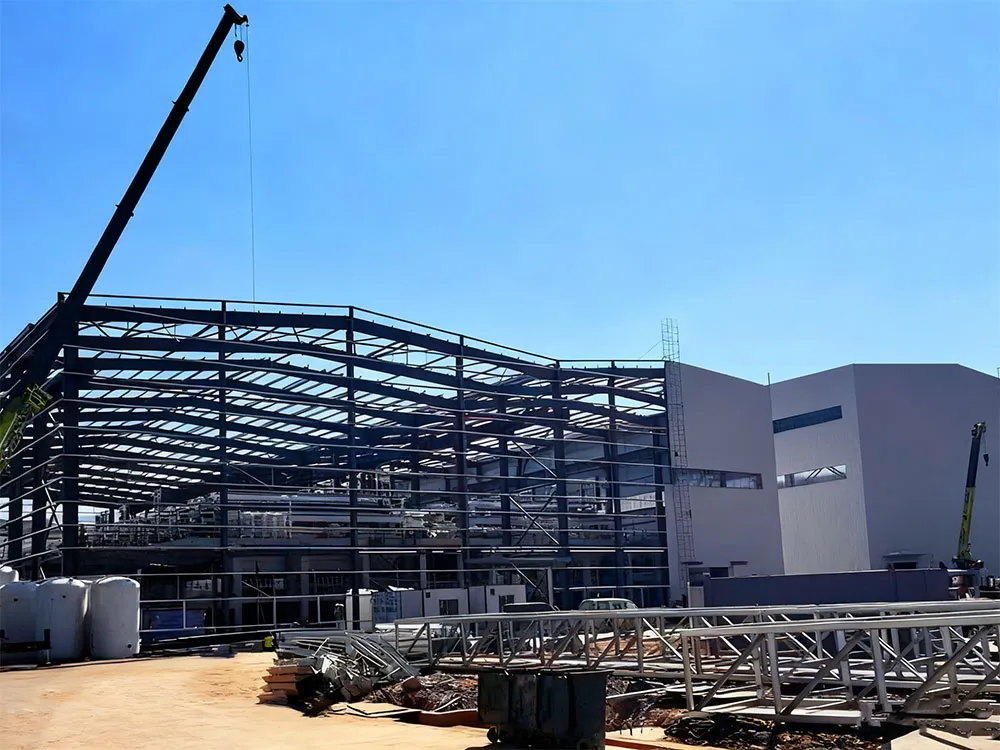
What is a steel structure building? It is a building system that uses steel columns, steel beams, roof purlins, wall girts, bracing, and metal cladding to form a strong and durable structure. Steel structure buildings are widely used for warehouses, workshops, factories, agricultural buildings, commercial buildings, and industrial storage projects because they are fast to install, flexible in design, and suitable for large-span spaces.
What Is a Steel Structure Building?
When you begin to see steel structures, you’ll be able to see them everywhere. All types of buildings that people use – from warehouses, to airplane hangars or grocery stores where you buy your food – are most likely made primarily from steel. Most of the modern homes that are being built today utilize steel as their main building structure.
Understanding what makes up a “steel structure” and why this is such a popular way of building will help you make an informed decision if you are building something for the first time if this is your first time constructing a building or are simply interested in how these types of buildings are used. This beginner’s guide to steel structure buildings introduces you to the various parts of a building, how to construct a building, the benefits of steel structures, and how to build with steel in the real world so you can make an informed decision about your construction project.
The Meaning Of Steel Structure Building And The Main Components
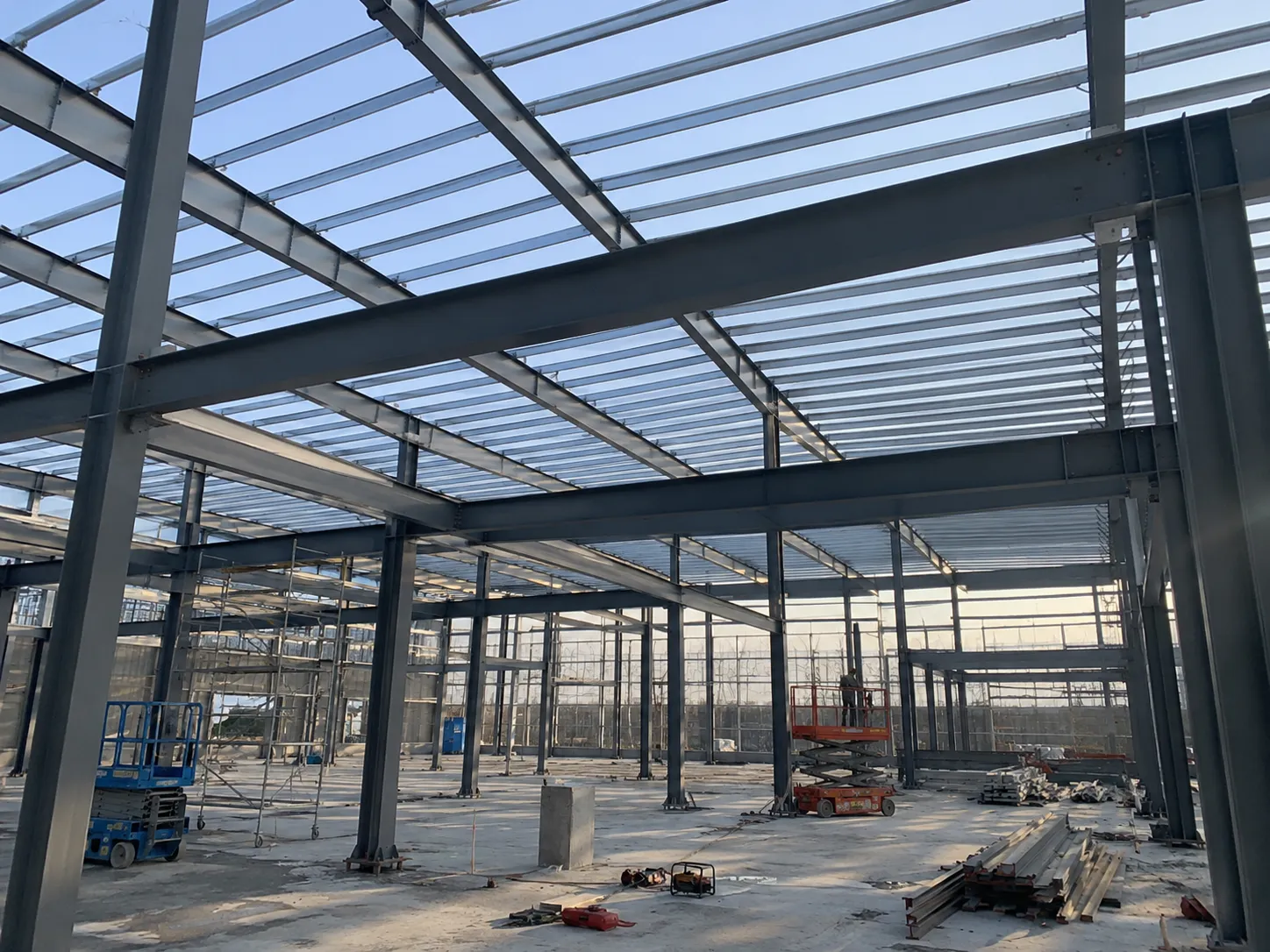
A steel structure building refers to a building or other structure that uses steel as its primary structural support system for the entire development. The steel columns, beams, and trusses form the entire skeletal framework of the building and all of the other building materials (i.e. wall systems, roof systems, insulation and finish materials) will attach to the steel structure once constructed.
Similar to how the human body functions – The steel frame of a building acts as the skeleton, while the cladding and finishes act as the skin and clothing of the structure. The (skeleton) provides the foundational load-bearing (literally) function of the structure while the exterior elements protect the interior from weather and provide visual representation of the exterior of the building.
Primary Framing Systems
the Primary Frame is the core structure of the Steel Building. Typically, it is constructed with Rigid Steel Columns attached to a Concrete Foundation and linked together at the roof level by Horizontal Beams or Rafters. The gravity load imposed upon the building (which includes its own weight, as well as snow, equipment, and personnel) is resisted by this combination of vertical and horizontal structural members, along with the lateral load (wind or seismic load).
Primary frames of buildings fall into two main types: clear-span frames with no interior columns for creating large space areas and multi-span frames with interior columns supporting large building widths. Clear-span frames can reach over 200 feet wide which is why steel is used to construct arenas and warehouses.
Secondary Structural Members.
Secondary members connect to the primary frame and provide support to the exterior skin of the building. This consists of purlins (horizontal members that run along the roof and support roofing panels), girts (like purlins on the walls), and bracing (which provide additional rigidity to resist wind, and other lateral loads).
Typically constructed out of lighter-gauge steel, e.g., C-shaped or Z-shaped cold-formed sections, their primary value lies in the attachment of the roof panels which would otherwise not be attached and the provision of rigidity to the wall system which would otherwise flex as a sail would in rough weather conditions.
There are various options available for cladding and roofing.
A steel building can provide a simple and functional envelope, or it can have a very attractive appearance. Many of the most common options available for cladding a steel building are metal panels (standing seam or corrugated), insulated metal panels (a product that has both cladding and insulation in one), brick veneers, precast concrete panels, and commercial buildings can even have glass curtain walls.
Roofing has the same range. You can use single-skin metal roofing in agriculture, but you’ll need to use insulated panels or built-up roofing systems in a climate-controlled environment. Your selection in this area is directly correlated to energy efficiency, maintenance and aesthetics will all be impacted by your decision.
Common Construction Methods for Steel
There are different types of steel buildings and the method that you choose to construct will determine your cost, timeline, and design freedom, in addition to which type of project(s) you could complete.
Conventional Steel Fabrication
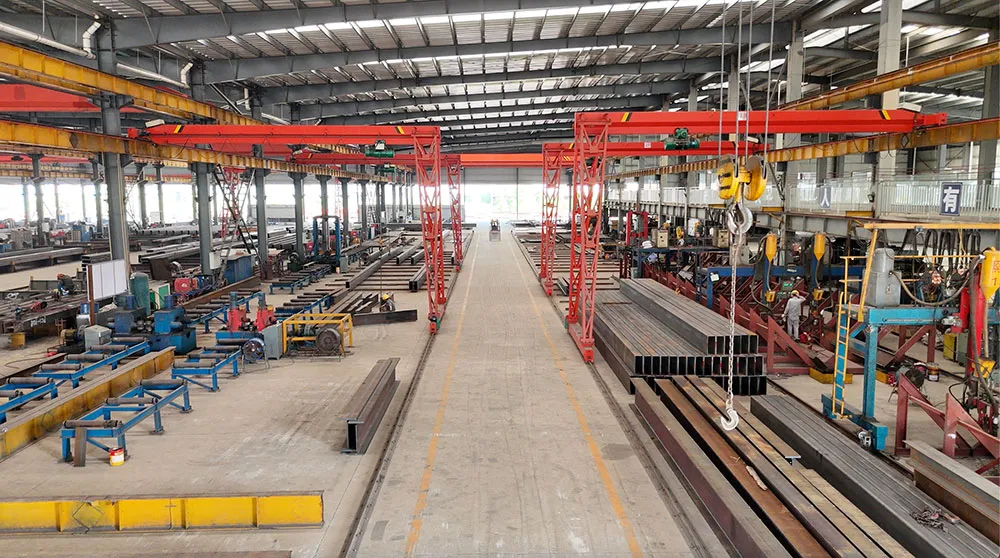
Traditional design methods result in buildings being designed by structural engineers and fabricated by fabricators, who cut & weld steel sections (beams, columns, etc.) at a fabrication facility, generally in large pieces. They are shipped to sites where they are assembled using bolts & welding techniques by ironworkers. High-rise buildings, bridges, complex architectural projects use traditional building techniques due to the project design specifics which do not fit within standard formations and shapes.
Traditional fabrication methods provide a vast amount of design flexibility but higher engineering costs and extended lead times. For a traditional fabrication job, it will typically take approximately 12−20 weeks to simply fabricate the products prior to having a piece delivered to the project site.
Pre-engineered metal building systems (PEMB).
With pre-engineered construction, a manufacturer essentially manufactures and fabricates the complete structure from standardized components that have been designed to be optimized for the application. Manufacturers pre-engineer everything, from engineering drawings through fabrication, so by shipping parts out to job sites with construction instructions, construction crews basically put a giant build kit together. The majority of all PEMB buildings that are constructed today in North America are for low-rise commercial structures and industrial buildings because they provide building owners with a fast, economical, and reliable construction method.
A 10,000 square-foot warehouse that is manufactured with pre-engineered materials could be designed, manufactured, shipped and installed in just 10-14 weeks from the time you placed your order through completion of the outer shell. This is faster than anyone can imagine.
Light Gauge Steel Framing
Light gauge steel framing is composed of studs and joists formed from thin sheets of steel that have been cold-formed to create the desired dimensions of the steel studs and joists. The type of light gauge steel used in framing has been used as a substitute for wood in construction of residential, multi-unit residential, mid-rise hotel, interior partition walls, and other applications where wood would typically be used. Light gauge steel studs resemble wood 2×4’s (very roughly), however they are made of galvanized steel and typically are 18-25 gauge.
The procedure spurred great usage as soon as the costs of timber rose dramatically and builders began searching for materials that are not easily attacked by termites, rot and fire. Light gauge steel does not warp, crack or shrink as timber does; therefore, there are fewer complaints due to glass cracks and creaking floors.
The Benefits of Steel When Compared to Traditional Building Materials
Durability/Resistant To The Elements.
Steel doesn’t rot, warp, or get eaten by termites. But steel also doesn’t burn, giving steel buildings a major edge in fire-resistance ratings. A steel frame can last fifty to one hundred years with little structural steel maintenance when the correct coatings (galvanization, paint systems, or weathering steel formulation) are applied
constructingments of and areas affected by hurricanes, the ratio of strength to that of weight is a lot higher, thus giving the engineer the ability to build buildings that can bend and absorb energy as opposed to breaking and crumbling. This is an important safety feature in comparison to other forms of buildings that are constructed with unreinforced bricks and timber.
If you’re building a 20,000-square-foot commercial building in 2026, then the difference in cost between steel and concrete could range from $5 to $15 per square foot (in favor of steel), depending on where you’re located and how complex your design is.
Design Flexibility and Clear-Span Capabilities
Because of steel’s great strength, architects and engineers are able to produce large expanses of uninterrupted floor area in steel buildings, something that would be impossible or very difficult using either wood or masonry. A typical steel structure can be constructed with clear span distances from 150′ to 300′, which is why this type of structure has become the standard for such uses as distribution centers, sporting arenas and airplane hangars.
Beyond their span, and compared to other materials, steel frames are more readily modified in the future. For example, if a owner or tenant wanted to install an extra mezzanine; or a owner or tenant wanted to cut a new door into an existing wall, or simply extend an existing building by 50 feet, all are doable in steel. Constructing a 50′ addition to a load-bearing masonry building is much more difficult.
Primary Applications throughout Multiple Sectors
Industrial Warehouse and Manufacturing Facilities.
Steel’s home territory is in the industrial sector. Nearly all warehouses and factories, along with most storage and distribution facilities, are constructed using steel frames. The combination of clear-span areas and tall ceilings (often more than 40 feet) and the flexibility for installing overhead cranes makes steel the only feasible option for most types of industrial construction.
Amazon, Fed Ex, and the majority of manufacturers build their distribution centers or facility using steel, and with the ongoing increase in e-commerce that began in 2016, the demand for those types of buildings is expected to continue to grow through 2026.
Commercial offices and Retail spaces.
Steel dominates the warehouse sector. Warehouses traditionally have used steel framework as their predominant building material. Most manufacturing facilities use steel framing. Warehouses, distribution Centres and Logistics Hubs overwhelmingly use steel for their framing. The open interior spaces that are created in most warehouses are primarily clear span, have high ceilings (e.g., 40-foot-Eave height locations are becoming increasingly common).
The large clear-span, high-ceiling area provided by steel is ideal for supporting overhead cranes. Many manufacturers are finding that steel is the most logical building material for their facility. Many large companies have traditionally used steel as the basis for their construction, and the recent surge in e-commerce is expected to continue to drive demand for the types of buildings being constructed will be fulfilled with steel through 2026.
Commercial and Wholesale.
Steel can be used to frame more than just warehouses in a very traditional, rectangular way. Multi-story office buildings, multi-use retail locations (shopping centers), restaurants, and many types of new construction will utilize structural steel to build their buildings. It is far easier to create the modern, open floorplan that many tenants of office spaces would like in their work environments when using structural steel columns spaced thirty to forty feet apart as opposed to having load-bearing walls located every fifteen feet of distance throughout the building.
Retail businesses prefer steel construction due to fast construction time which allows them to open stores sooner and begin generating revenue faster. For example, if a national retail company is rolling out fifty new stores per year, having an eighteen (18) month construction schedule at each site would be cost-prohibitive.
Agriculture and Residences
Farmers have used metal structures as storage facilities for their equipment, livestock and grain for several decades. Because steel buildings require low maintenance and are resistant to damage from pests, steel has become an excellent building material choice in agriculture where structures are subjected to very harsh weather conditions and heavy damage from animals.
In the past few years the type of homes known as steel-framed buildings or “barndominiums”(barn + condominium) has gained a lot of popularity from the residential construction segment of the market. These hybrid-type structures usually have a steel-shell construction outside, and finished residential areas are built inside. The interiors of these buildings are typically open spaces. The cost of these structures is comparable to stick-built houses. Especially in rural areas, homeowners are increasingly opting for these structures, as they are able to withstand severe weather with very little maintenance.
Sustainability and Life Cycle of a Steel Building.
Steel is among the planet’s topmost recycled material. Over ninety percent of all steel produced in the United States is recycled and most of the new construction steel contain between seventy percent and ninety-five percent recycled steel. Once a steel structure reaches its maximum life expectancy, its framework can be deconstructed and the steel melted and melted again for use because the finished product will still have the same strength as at the time when it was created.
The energy efficiency of most steel building is dependent on the insulation and cladding systems you install with your steel frame. If you do a good job insulating your steel building, it will perform at least as well as a concrete or wood building when it comes to heating and cooling costs. Many steel structure manufacturers are providing insulation systems that are incorporated together that are able to meet or even improve upon today’s energy codes.
In addition to its durability aspect, sustainability is also affected by the function of the durability. If one building lasts 75 years with few repairs, it will have a much smaller overall environmental impact over its lifetime compared with another building that requires major renovations every 20 years, even though both had similar carbon footprints from the initial construction materials.
Important Things To Consider Before You Begin Your Project
So before you decide on a steel structure, make sure to think about these three things so you can make an informed decision. Local building codes and zoning ordinances can differ greatly; for example, some cities have restrictions regarding the appearance of metal buildings located in commercial areas. Prior to designing your structure, it is best to check with your local building department regarding these restrictions. Foundation requirements depend on your soil type, your building size, and your local frost depth, and will make up a large part of your overall project cost (usually between 10 and 15 percent of your total project cost).
Get a minimum of three reputable steel building suppliers or fabricators’ quotes covering same scope. One’s “turnkey” cost could be for complete laying of foundation, insulation and doors while another’s could only be for steel. Comparing them apples to apples ensures that you will not get a shock.
When considering a steel structure building for your next project, it is a good idea to define the type of space you will need, how much money you can spend, and when you need the building completed. It is important that you talk with an engineer who specialises in steel structure design or an experienced welder early on in your construction plans before pouring your foundation because, without the proper direction upfront, you could potentially add thousands of dollars and months to your construction timeline. Steel is an excellent choice as the construction material of any kind; thus, good planning and the involvement of the right construction team determine the success of the project.
For general information about steel and its role in construction, you can also refer to the World Steel Association.