Autor:David Ran
Este artículo trata sobre componentes de construcción de acero, servicios de fabricación, y planificación de proyectos. Los requisitos técnicos específicos de cada proyecto deben confirmarse durante la revisión de ingeniería.
Comparte esto :
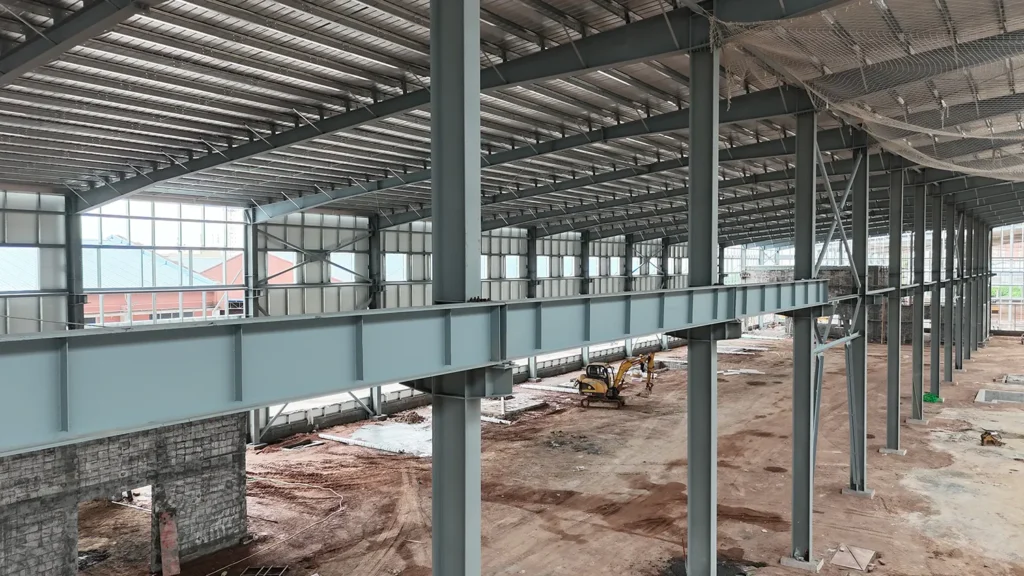
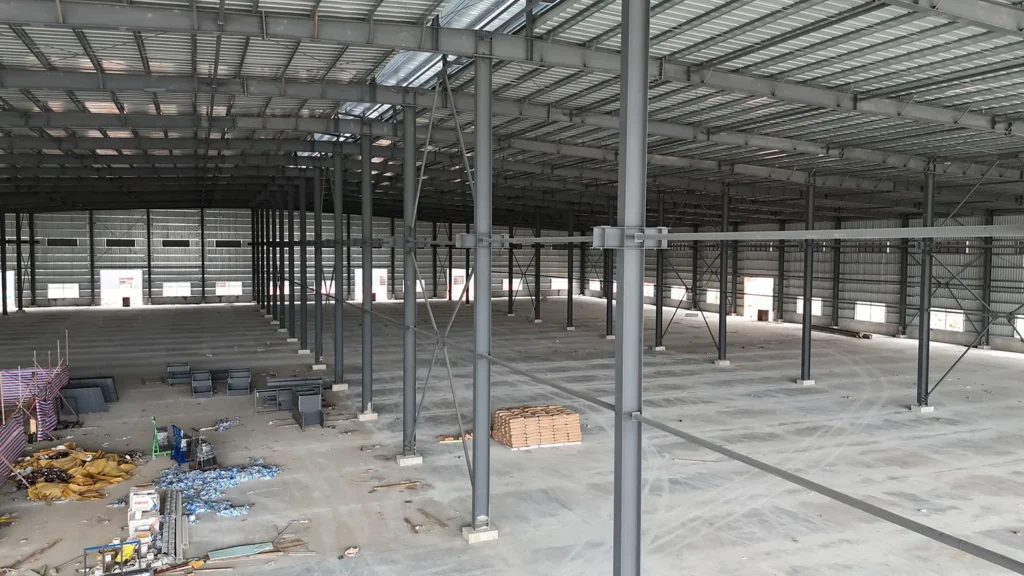
Tipos de conexiones de acero en edificios con estructura de acero: Atornillado vs Soldado
Los tipos de conexiones de acero son importantes en los edificios con estructura de acero porque determinan cómo se unen las columnas., vigas, correas, Los sistemas de refuerzo y otros componentes de acero se unen entre sí.. En almacenes de acero, talleres, fábricas y edificios industriales, Un buen diseño de conexión ayuda a mejorar la estabilidad estructural., Eficiencia de instalación y rendimiento del edificio a largo plazo..
Para muchos proyectos de construcción de acero en el extranjero, Los clientes a menudo se centran en el tamaño principal del marco de acero., materiales de techo y paredes, luz y precio del edificio. Sin embargo, Las conexiones de acero también son una parte clave del sistema completo del edificio.. Las conexiones atornilladas y soldadas se utilizan comúnmente en edificios con estructura de acero., pero se utilizan en diferentes posiciones y para diferentes propósitos.
Bingfa Steel es una empresa profesional de estructuras de acero en China, Proporcionar comunicación personalizada sobre el diseño de edificios de acero., servicios de fabricación, Guía de instalación y embalaje de exportación para proyectos en el extranjero.. Comprender la diferencia entre conexiones atornilladas y soldadas puede ayudar a los clientes a comunicar mejor los requisitos del proyecto antes de solicitar una construcción con estructura de acero..
¿Qué son las conexiones de acero??
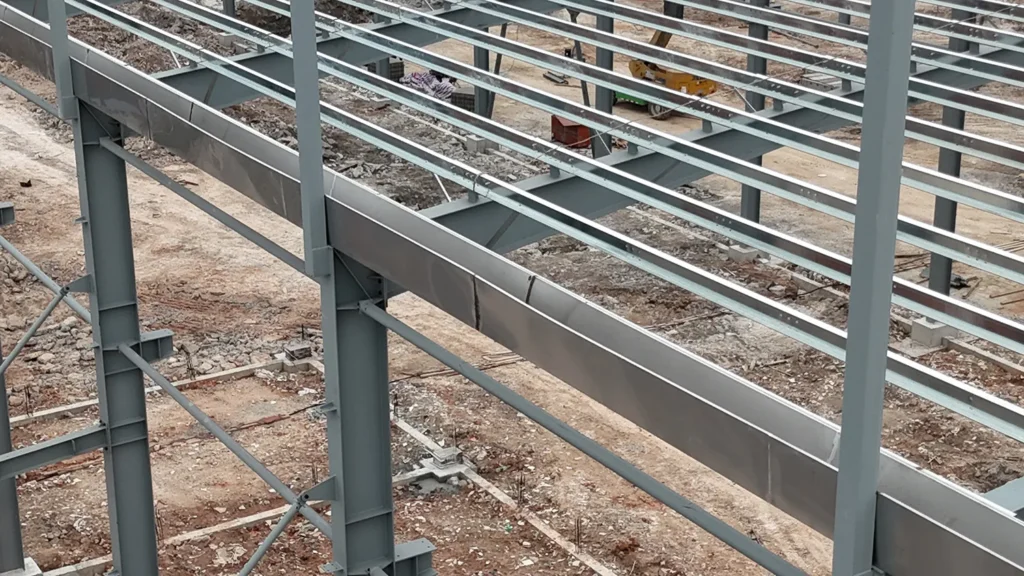
Las conexiones de acero son las uniones que se utilizan para conectar diferentes miembros de acero entre sí.. En un edificio con estructura de acero, Estas conexiones pueden unir columnas de acero., vigas del techo, correas, cinturones de pared, sistemas de refuerzo, placas base, vigas de grúa y otros componentes de acero.
Un edificio de acero completo no está formado únicamente por miembros de acero individuales.. El edificio se convierte en una estructura estable cuando todos los componentes de acero están conectados correctamente según los planos de ingeniería..
Las conexiones de acero comunes incluyen:
- Conexiones viga-columna
- Conexiones de base de columna
- Conexiones de correa a marco
- Conexiones de arriostramiento
- Conexiones de vigas de grúa
- Conexiones de empalme de vigas de techo
- Conexiones de vigas de pared
- Conexiones de placa base y perno de anclaje
Los diferentes tipos de conexión afectan la fabricación, transporte, Velocidad de instalación y rendimiento estructural.. Es por eso que el diseño de las conexiones debe considerarse junto con todo el sistema del edificio..
Por qué son importantes los tipos de conexiones de acero en los edificios con estructura de acero
Los tipos de conexiones de acero son importantes porque influyen tanto en el desempeño de la ingeniería como en la ejecución del proyecto.. Un buen diseño de conexión puede hacer que el edificio sea más fácil de fabricar., embalar, enviar e instalar.
El tipo de conexión correcto puede ayudar:
- Transferir cargas entre miembros de acero.
- Mejorar la estabilidad del edificio
- Admite instalación rápida del sitio
- Reducir el trabajo de soldadura en el sitio
- Mejorar la precisión de la fabricación
- Soporte de carga de contenedores y entrega de exportación.
- Reducir los errores de instalación
- Facilite el mantenimiento o la ampliación futura
Para edificios con estructura de acero de exportación., Las conexiones atornilladas a menudo se usan ampliamente en el sitio porque son más fáciles de instalar con dibujos y componentes marcados.. Las conexiones soldadas a menudo se completan en la fábrica, donde se puede controlar mejor la calidad de la soldadura..
¿Qué son las conexiones atornilladas??
Las conexiones atornilladas utilizan pernos., Tuercas y arandelas para conectar miembros de acero entre sí.. Se perforan o perforan agujeros en los componentes de acero durante la fabricación en fábrica.. Durante la instalación, Los trabajadores alinean los agujeros y aprietan los pernos según los dibujos..
Las conexiones atornilladas son muy comunes en edificios prefabricados con estructura de acero.. Se utilizan para muchas juntas de instalación en sitio porque son más rápidas y convenientes que la soldadura en campo..
Las aplicaciones comunes de conexiones atornilladas incluyen:
- Empalmes de vigas de acero
- Uniones viga-columna
- Conexiones de correas
- Conexiones de vigas de pared
- Conexiones de arriostramiento
- Conexiones de placa base y perno de anclaje
- Conexiones del marco del techo
- Conexiones de componentes secundarios de acero
Para edificios de acero en el extranjero, Las conexiones atornilladas son prácticas porque los componentes de acero se pueden fabricar en China., Embalado en contenedores y ensamblado en sitio con planos de instalación..
Ventajas de las conexiones atornilladas
Las conexiones atornilladas se utilizan ampliamente en edificios con estructura de acero porque ofrecen varias ventajas prácticas..
1. Instalación del sitio más rápida
Las conexiones atornilladas pueden ayudar a acelerar la instalación. Los trabajadores pueden conectar miembros de acero alineando agujeros y apretando pernos.. Esto suele ser más fácil que soldar en el sitio., especialmente cuando el equipo de soldadura local o los soldadores capacitados son limitados.
2. Adecuado para edificios prefabricados de acero
La mayoría de los componentes de construcción con estructura de acero se fabrican en la fábrica antes de la entrega.. Las conexiones atornilladas funcionan bien con sistemas prefabricados porque los agujeros y las placas de conexión se pueden preparar con antelación..
3. Control de calidad más sencillo en el sitio
En comparación con la soldadura en sitio, la instalación atornillada es más fácil de comprobar visualmente. El equipo de instalación puede verificar la cantidad de pernos., posición del perno, Estado de apriete y alineación de la conexión según los dibujos..
4. Transporte y carga de contenedores más fáciles
Las conexiones atornilladas permiten dividir grandes estructuras de acero en componentes más pequeños para su transporte.. Esto es importante para proyectos en el extranjero porque los miembros de acero deben empaquetarse y cargarse en contenedores de manera eficiente..
5. Modificación o expansión futura más sencilla
En algunos casos, Las conexiones atornilladas facilitan futuras modificaciones o ampliaciones del edificio.. Los miembros de acero se pueden quitar., ajustarse o extenderse de manera más conveniente que las conexiones del sitio completamente soldadas.
¿Qué son las conexiones soldadas??
Las conexiones soldadas unen miembros de acero soldándolos entre sí.. La soldadura crea una conexión fuerte entre las piezas de acero y se usa comúnmente en la fabricación en fábrica..
En edificios con estructura de acero, Muchas conexiones soldadas se completan en la fábrica antes de la entrega.. Por ejemplo, placas base, refuerzos, Las placas de conexión y algunos miembros de acero de sección en H armados se sueldan durante la fabricación..
También se pueden utilizar conexiones soldadas en el sitio en algunos proyectos., Pero para la exportación de edificios prefabricados de acero., La soldadura en el sitio generalmente se reduce tanto como sea posible para que la instalación sea más fácil y controlable..
Las aplicaciones comunes de conexiones soldadas incluyen:
- Placas base soldadas a columnas de acero.
- Refuerzos soldados a vigas o columnas.
- Placas de conexión soldadas en fábrica.
- Elementos de acero armados con sección en H
- Detalles de la viga de la grúa
- Soportes de acero especiales
- Marcos de soporte personalizados
Ventajas de las conexiones soldadas
Las conexiones soldadas también tienen importantes ventajas en edificios con estructura de acero..
1. Conexión fuerte y continua
La soldadura puede crear una conexión fuerte y continua entre miembros de acero.. A menudo es adecuado para componentes fabricados en fábrica y detalles estructurales especiales..
2. Aspecto limpio
Las conexiones soldadas pueden proporcionar una apariencia más limpia en algunas partes de una estructura de acero.. Esto puede ser útil para componentes de acero expuestos., plataformas o requisitos especiales del proyecto.
3. Adecuado para fabricación en fábrica
La soldadura en fábrica se puede realizar en condiciones más controladas. Esto ayuda a mejorar la calidad de la soldadura., Precisión dimensional y eficiencia de inspección en comparación con condiciones difíciles del sitio..
4. Flexible para componentes personalizados
Algunos componentes de acero personalizados requieren placas soldadas, refuerzos o soportes. La soldadura permite a la fábrica fabricar detalles de conexión especiales según los planos del proyecto..
5. Útil para trabajos pesados o detalles especiales
Para algunas aplicaciones de estructuras de acero de alta resistencia, Los componentes soldados se pueden utilizar junto con conexiones de obra atornilladas.. El diseño final depende de los requisitos de ingeniería., condiciones de carga y método de instalación.
Conexiones atornilladas versus soldadas: Principales diferencias
Las conexiones atornilladas y soldadas son importantes, pero no son lo mismo.
| Artículo | Conexiones atornilladas | Conexiones soldadas |
|---|---|---|
| Método de conexión | Pernos, tuercas y arandelas | Soldar piezas de acero juntas |
| uso común | Juntas de instalación en obra | Detalles de fabricación en fábrica. |
| Velocidad de instalación | Rápido y conveniente | Más lento en el sitio |
| Requisito del sitio | Más fácil para los equipos de instalación locales | Requiere soldadores y equipos calificados. |
| Control de calidad | Más fácil de comprobar visualmente | Requiere inspección de soldadura |
| Transporte | Bueno para componentes prefabricados. | A menudo se utiliza antes del envío. |
| Modificación futura | Más fácil de quitar o ajustar | Más difícil de modificar |
| Aplicaciones comunes | Empalmes de vigas, correas, vigorizante, juntas de marco | Placas base, refuerzos, platos, componentes personalizados |
En muchos proyectos de construcción de estructuras de acero., la mejor solución no es sólo atornillada o sólo soldada. Un diseño práctico suele utilizar soldadura de fábrica para los componentes fabricados y conexiones atornilladas para el montaje en el sitio..
Dónde se utilizan comúnmente las conexiones atornilladas
Las conexiones atornilladas se utilizan ampliamente en edificios con estructura de acero., especialmente para piezas que deben ensamblarse en el sitio.
Conexiones de viga a columna
Las vigas y columnas de acero suelen estar conectadas con pernos a través de placas terminales o placas de conexión.. Esto ayuda al equipo de instalación a montar la estructura de acero principal de manera eficiente..
Empalmes de vigas de techo
Las vigas largas del techo se pueden dividir en secciones para su transporte.. Las conexiones de empalme atornilladas permiten unir estas secciones en el sitio.
Conexiones de correas
Las correas generalmente están conectadas al marco principal con pernos o tornillos.. Estas conexiones ayudan a soportar los paneles del techo y los sistemas de revestimiento de paredes..
Conexiones de refuerzo
Los miembros de refuerzo suelen estar atornillados al marco principal para mejorar la estabilidad del edificio y la resistencia a las fuerzas horizontales..
Conexiones de pernos de anclaje
A nivel de base, Las placas base de columnas de acero se fijan a cimientos de hormigón mediante pernos de anclaje.. Esta conexión es importante para transferir cargas desde la estructura de acero a los cimientos..
Donde se utilizan comúnmente conexiones soldadas
Las conexiones soldadas se utilizan comúnmente en la fabricación en fábrica y en detalles de conexión especiales..
Placas base soldadas a columnas
Las placas base de las columnas de acero generalmente se sueldan a la parte inferior de las columnas en la fábrica.. Después del parto, la placa base se fija a la base con pernos de anclaje.
Refuerzos y placas de conexión
Los refuerzos y las placas de conexión a menudo se sueldan a vigas o columnas de acero para mejorar la resistencia local y soportar la instalación atornillada..
Miembros de acero armados con sección en H
Muchas columnas y vigas de acero personalizadas se fabrican soldando placas de acero en miembros de sección en H.. Esto permite que el tamaño de la sección de acero coincida con los requisitos del proyecto..
Detalles de la viga de la grúa
Las vigas de grúa pueden requerir refuerzos soldados, Placas o detalles de soporte dependiendo de la capacidad de la grúa y las condiciones de trabajo..
Marcos de soporte personalizados
Algunas plataformas, Los soportes de equipos y las piezas estructurales especiales pueden requerir fabricación soldada para satisfacer las necesidades específicas del proyecto..
Soldadura en fábrica versus soldadura en sitio
La soldadura en fábrica y la soldadura en obra son diferentes en el control de calidad., condiciones de trabajo y eficiencia del proyecto.
Generalmente se prefiere la soldadura en fábrica para edificios con estructura de acero porque el entorno del taller es más estable.. Los componentes de acero se pueden medir., soldado, inspeccionado y tratado antes de la entrega. Esto ayuda a mejorar la precisión y reducir el trabajo en el sitio..
La soldadura en sitio puede ser necesaria en algunas situaciones especiales., pero requiere trabajadores calificados, equipo de soldadura, control del clima e inspección adecuada. Para proyectos en el extranjero, Demasiada soldadura en el sitio puede aumentar la dificultad de instalación y el riesgo del proyecto..
Esta es la razón por la que muchos edificios con estructura de acero prefabricada utilizan una combinación de soldadura en fábrica e instalación atornillada en el sitio.. La fábrica completa la fabricación soldada., y el equipo de obra instala el edificio principalmente con pernos..
Factores de diseño de conexiones para edificios de acero
El diseño de la conexión de acero debe basarse en el sistema de construcción completo y las condiciones del proyecto.. No se debe seleccionar sólo por precio o conveniencia.
Los factores de diseño importantes incluyen:
- Tamaño del edificio
- Altura del edificio
- Espaciado de luces y columnas
- Carga de viento
- Carga de nieve
- Requisitos sísmicos
- Requisito de grúa
- Material del techo y las paredes
- Diseño de estructura de acero principal
- Límites de transporte
- Plan de carga de contenedores
- Método de instalación
- Condiciones laborales locales
- Disponibilidad de equipos del sitio
- Plan de expansión futuro
Para edificios de acero de exportación., El diseño de la conexión también debe considerar el embalaje., planos de marcado e instalación. Cada componente debe ser fácil de identificar y ensamblar en el sitio..
Aplicaciones en Almacenes, Talleres y fábricas
Los tipos de conexión de acero se utilizan en muchos proyectos de construcción de estructuras de acero..
Almacenes con estructura de acero
En edificios de almacenes de acero, Las conexiones atornilladas se utilizan comúnmente para el marco principal., correas, arriostramiento y vigas de pared. Esto ayuda a crear un sistema de construcción práctico para uso de almacenamiento y logística..
Talleres con estructura de acero
Los edificios de talleres de acero pueden requerir conexiones de marco más fuertes, Detalles de vigas de grúa o estructuras de soporte de equipos.. Las conexiones atornilladas y soldadas deben diseñarse de acuerdo con las necesidades de producción y mantenimiento..
Edificios de fábrica de estructura de acero
Los edificios de las fábricas suelen incluir líneas de producción., áreas de equipos, zonas de carga y secciones de almacenamiento. Un buen diseño de conexión ayuda a garantizar que el edificio sea estable, práctico y más fácil de instalar.
Edificios industriales de acero
Los edificios industriales de acero pueden requerir estructuras de acero más pesadas, sistemas de grúa, entrepisos o plataformas especiales. En estos proyectos, Los detalles de la conexión deben verificarse cuidadosamente durante la etapa de diseño y fabricación..
Relación con otros componentes de construcción de acero
Las conexiones de acero son parte de un sistema completo de construcción con estructura de acero.. Trabajan en conjunto con columnas de acero., vigas, correas, cinturones de pared, sistemas de refuerzo, pernos de anclaje, placas base, paneles de techo y paneles de pared.
Por ejemplo, pernos de anclaje y placas base conectan columnas de acero a cimientos de concreto. Las vigas de acero se conectan a las columnas para formar el marco principal.. Las correas se conectan a las vigas del techo para soportar el revestimiento del techo.. Las vigas de pared se conectan a columnas para soportar paneles de pared..
Para más información sobre la envolvente del edificio conectada a la estructura de acero, También puedes leer nuestra guía en Sistemas de revestimiento de techos y paredes para edificios de acero.
Fabricación, Consideraciones de embalaje e instalación
Para proyectos de estructuras de acero en el extranjero., El diseño de la conexión debe ser práctico para la fabricación., embalaje e instalación en sitio.
Durante la fabricación, La fábrica debe preparar agujeros para pernos., placas de conexión, Piezas soldadas y marcas de componentes según los dibujos aprobados.. Antes del envío, Los miembros de acero deben revisarse y embalarse adecuadamente..
Las consideraciones importantes incluyen:
- Posiciones precisas de los orificios de los pernos
- Marcado claro de componentes
- Cantidad y especificación correctas de pernos
- Embalaje adecuado de pequeños accesorios.
- Protección de superficies pintadas o galvanizadas
- Fácil identificación durante la instalación
- Planos de instalación claros
Si los orificios de los pernos no coinciden o faltan pequeñas piezas de conexión, la instalación del sitio puede retrasarse. Un proveedor profesional de estructuras de acero debe prestar atención a estos detalles antes de la entrega..
¿Qué información se necesita para la cotización??
Preparar un presupuesto adecuado para una construcción con estructura de acero., Los clientes deben proporcionar información básica del proyecto.. El diseño de la conexión depende del tamaño del edificio., cargas, condiciones de aplicación e instalación.
La información útil incluye:
- Tamaño del edificio: longitud, ancho y alto del alero
- Ubicación del proyecto
- Aplicación de construcción
- Luz requerida y espacio entre columnas
- Carga de viento
- Carga de nieve
- Requisitos sísmicos
- Requisito de grúa, si alguno
- Requisito de entrepiso o plataforma
- Preferencia de material de techo y paredes.
- Disposición de puertas y ventanas.
- Requisito de soporte de instalación
Si no tienes datos de ingeniería completos al principio, Primero puedes proporcionar el tamaño del edificio., Ubicación del proyecto y uso del edificio.. Bingfa Steel puede ayudar a analizar una solución adecuada para la construcción de estructuras de acero.
¿Por qué elegir Bingfa Steel?
Bingfa Steel es una empresa profesional de estructuras de acero en China. Ofrecemos soluciones personalizadas de construcción de estructuras de acero para almacenes., talleres, fábricas, plantas de fabricación y edificios industriales.
Nuestro servicio incluye:
- Comunicación de diseño de estructura de acero personalizada.
- Fabricación de columnas y vigas de acero.
- Detalles de conexión atornillada
- Soldadura e inspección de fábrica.
- Correas y componentes secundarios de acero.
- Sistemas de arriostramiento
- Materiales para revestimiento de techos y paredes.
- Pernos y accesorios
- Embalaje de exportación
- Soporte de carga de contenedores
- Planos de instalación
- Guía de instalación en línea
Para clientes extranjeros, entendemos que los detalles de conexión precisos, Es importante marcar claramente los componentes y dibujar dibujos prácticos de instalación.. Nuestro equipo ayuda a los clientes a preparar soluciones de construcción de estructuras de acero según el tamaño del proyecto., uso del edificio, condiciones locales y requisitos de entrega.
Recursos técnicos externos
Los detalles de las conexiones de acero deben diseñarse de acuerdo con las cargas del proyecto., Requisitos estructurales y normas aplicables.. Para obtener más información técnica sobre el diseño de acero estructural y las normas de construcción de acero., puedes consultar el Instituto Americano de Construcción en Acero.
Para recursos más amplios de la industria del acero e información general relacionada con el acero, también puedes visitar el Asociación Mundial del Acero.
Preguntas frecuentes
1. ¿Cuáles son los tipos de conexiones de acero en edificios con estructura de acero??
Los tipos de conexión de acero son los métodos utilizados para unir miembros de acero., como conexiones atornilladas y uniones soldadas. Conectan columnas, vigas, correas, sistemas de refuerzo y otros componentes de acero.
2. ¿Son mejores las conexiones atornilladas que las soldadas??
Depende del proyecto y posición de conexión.. Las conexiones atornilladas suelen ser más fáciles de instalar en el sitio., mientras que las conexiones soldadas se utilizan comúnmente en la fabricación en fábrica y en detalles estructurales especiales..
3. ¿Por qué las conexiones atornilladas son comunes en los edificios prefabricados de acero??
Las conexiones atornilladas son comunes porque hacen que la instalación en el sitio sea más rápida y sencilla.. Los componentes de acero se pueden fabricar en fábrica., enviado en contenedores y ensamblado en sitio con pernos.
4. ¿Dónde se utilizan las conexiones soldadas en edificios de acero??
Las conexiones soldadas se utilizan a menudo para placas base., refuerzos, placas de conexión, miembros de acero armados, Detalles de vigas de grúa y piezas fabricadas a medida..
5. ¿Pueden los edificios de acero utilizar conexiones tanto atornilladas como soldadas??
Sí. La mayoría de los edificios con estructura de acero utilizan ambos.. La soldadura de fábrica se utiliza para componentes fabricados., mientras que las conexiones atornilladas se utilizan para el montaje en obra.
6. ¿Los detalles de la conexión afectan la velocidad de instalación??
Sí. Orificios de pernos precisos, Las marcas claras de los componentes y el diseño práctico de la conexión pueden acelerar la instalación y reducir los errores en el sitio..
Obtenga una cotización personalizada para la construcción de estructuras de acero
Si necesita una construcción con estructura de acero a medida para un almacén, taller, fábrica o proyecto industrial, Póngase en contacto con Bingfa Steel para obtener una solución personalizada.. Envíanos el tamaño de tu edificio, ubicación del proyecto, solicitud, durar, altura, Requisitos de materiales para techos y paredes., y requisitos de grúa, si los hubiera. Nuestro equipo le ayudará a preparar un diseño y una cotización adecuados..
Los detalles de las conexiones de acero deben diseñarse de acuerdo con las cargas del proyecto., Requisitos estructurales y normas aplicables.. Para obtener más información técnica sobre el diseño de acero estructural, requisitos de conexiones atornilladas y conexiones soldadas, puedes consultar el Instituto Americano de Construcción en Acero.
Preguntas frecuentes
① ¿Qué es un edificio con estructura de acero?
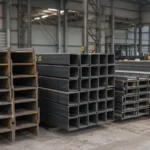
Un edificio con estructura de acero se construye principalmente con componentes de acero de alta resistencia, como vigas H y columnas. Se utiliza ampliamente en almacenes, talleres, granjas avícolas, e instalaciones industriales por su durabilidad y rentabilidad.
②¿Cuánto cuesta una construcción de acero?
Los costos de construcción de acero dependen de las dimensiones, cargas estructurales, especificaciones de materiales, ubicación del proyecto y alcance de suministro acordado. Una cotización preliminar puede comenzar con la estructura de acero principal. Paneles de techo y pared, transporte, los cimientos y la instalación deben considerarse por separado cuando sea necesario. Las soluciones personalizadas pueden variar según los requisitos específicos.
③¿Cuánto tiempo lleva construir una estructura de acero?
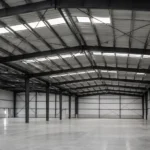
Los plazos de fabricación dependen de las dimensiones del edificio, la complejidad estructural, las especificaciones de los materiales y la programación de producción. Se puede proporcionar un plazo estimado de fabricación después de revisar los requisitos del proyecto. La duración del montaje depende de las condiciones de la obra, la complejidad del edificio y el alcance de trabajo acordado.
④ ¿Ofrecen soporte de instalación?
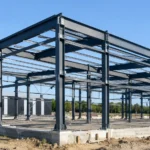
La documentación de montaje y la asistencia técnica dependen del alcance acordado para cada proyecto. Si necesita apoyo para la instalación, indíquelo al solicitar la cotización para que podamos revisar las opciones disponibles, las responsabilidades y los requisitos locales.
⑤¿Pueden los edificios de acero soportar condiciones climáticas extremas?
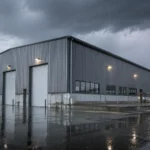
Los edificios de acero pueden diseñarse para las cargas de viento, nieve y sismo específicas de cada proyecto, de acuerdo con las normas de diseño aplicables, los cálculos estructurales y las condiciones locales. Las cargas de diseño y las normas requeridas deben confirmarse antes de comenzar el diseño estructural.