Estructura de acero versus construcción de concreto

Steel structures and concrete buildings differ in construction costs, timelines, durabilidad, sustainability and other project considerations. This article compares these two construction approaches to help readers evaluate which may be more suitable for their requirements.
When you begin construction of your next building project, one of the primary debates that many developers, contratistas, and building owners are faced with is:. Steel building or concrete building? Both steel and concrete have benefits plus drawbacks, so the selection depends on your needs, tu presupuesto, your time frame, and the conditions in your area. This guide provides a comparison between steel structures and concrete buildings with a side-by-side examination along 8 critical dimensions so you can determine which type of building is the best fit for your project.
1. Construction Time: Comparing Project Schedules
Construction time is directly related to the cost of your project and return on investment, construction time is one of the greatest advantages steel structures provide.
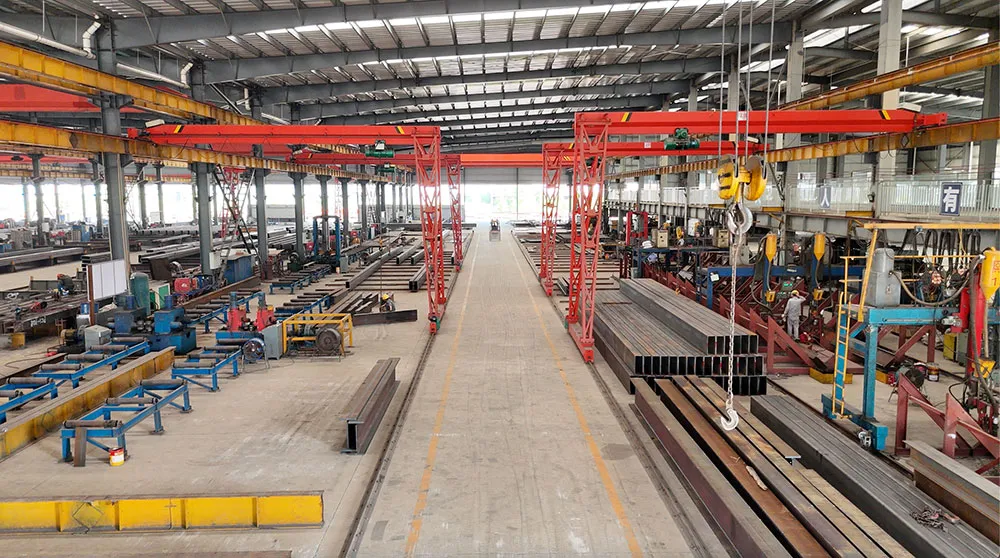
Steel structure: Prefabricated components can be manufactured off site while the foundation and site are being prepared. Prefabrication can shorten on-site steel frame erection, but erection time and the overall project schedule depend on the design, aprobaciones, obtención, logística, site readiness and agreed completion scope.
Concrete building:
Concrete construction schedules depend on whether the system is cast in place or precast, the construction sequence, strength development and project conditions. Curing, formwork removal and construction loading should follow the project specifications and verified concrete strength.
Steel may offer a shorter construction schedule when off-site fabrication and site work proceed in parallel. On-site frame erection, whole-building construction and handover are distinct milestones. The overall benefit should be assessed using comparable project schedules and completion requirements for buildings with the same intended use and equivalent design, supply and construction scopes.
2. Initial and Life-Cycle Costs
The main thing that we can consider is ‘money’. Por lo tanto, when comparing the two types of buildings, you need to examine both the upfront, initial costs and the overall total cost of ownership over time.
Upfront Construction Cost
Steel can offer upfront cost advantages in suitable projects. Material, servicios de fabricación, transporte, erection and foundation costs should be compared using current local estimates for equivalent designs and the same scope of work.
Concrete construction costs depend on the structural system, local material and labour prices, formwork, foundations and construction sequence. Long spans or complex layouts require project-specific cost comparisons.
Long-Term Total Cost of Ownership. Steel buildings can provide a long service life when designed, protected and maintained for their exposure conditions. Life-cycle costs should be compared over the same study period, including construction, operation, mantenimiento, replacement and end-of-life costs.
Concrete buildings require inspection and maintenance appropriate to their exposure and condition. Heating and cooling costs depend on the building envelope, aislamiento, puentes termicos, hermeticidad, climate and building services, rather than the structural material alone. Demolition costs and recovered-material value depend on local recycling facilities, processing requirements and markets.
Steel can offer cost advantages for suitable projects; initial and life-cycle costs require project-specific comparison.
3. Performance Under Wind, Seismic and Other Design Conditions
Steel and concrete can both be designed to meet or exceed the requirements for Structural Safety, but each will perform very differently under extreme conditions.
Seismic resistance: Properly designed and detailed steel and reinforced-concrete systems can provide ductile seismic performance. Their performance depends on the structural system, connections or reinforcement detailing, construction quality and site conditions.
Resistencia al viento: Wind performance depends on the structural system, rigidez, conexiones, revestimiento, foundations and the design wind loads at the site.
Corrosion/Weather Resistance: Hot-dip galvanising and compatible protective coatings can provide long-term corrosion protection. Performance depends on coating thickness, exposure conditions, detailing and maintenance. Reinforcement corrosion in concrete also depends on exposure, concrete quality, cover, cracking and maintenance.
Fire Resistance: Concrete offers inherent fire resistance, while steel may require fire protection to achieve the specified rating. Protection can include suitable coatings, fire-resistant boards or encasement. The required protection system depends on the structural design and applicable building code.
The preferred system for wind and seismic resistance depends on the project’s hazards and structural design.
4. Design Flexibility and Space Utilization
Steel structures are often suitable for large spans with open, flexible interior spaces.
Estructuras de acero: Steel’s high strength-to-weight ratio supports long-span, column-free designs, with achievable spans depending on the structural system, loads and project requirements. This feature makes steel structures suitable for industrial workshops, almacenes, sports arenas and airplane hangars, where clear interior space is important. Steel structures can offer flexibility for alterations, extensions or mezzanines, subject to an engineering assessment of the existing frame, conexiones y cimientos.
Concrete Buildings: Concrete column spacing and clear spans depend on the framing system. Prestressed and post-tensioned solutions can provide open layouts, while future alterations require assessment of the existing structure.
Steel can support flexible, open layouts; the benefit depends on the framing system and project requirements.
5. Sustainability and Environmental Impact
Environmental considerations are an important part of comparing steel and concrete building systems.
Recyclability – Structural steel is recyclable. The recycled content of structural steel varies by product, producer and production route and should be verified using supplier data or an environmental product declaration. Concrete can be crushed and recycled into aggregate. Actual recovery depends on contamination, processing facilities and local markets.
On the waste front: Factory fabrication can reduce on-site cutting and waste. Waste quantities for steel and concrete projects depend on fabrication methods, detallando, formwork reuse and material recovery practices.
Carbon comparisons should use a project-specific life-cycle assessment with equivalent building functions, service lives and system boundaries. Cement production contributes to greenhouse gas emissions and should be included in the assessment where relevant.
Green Building Compatibility: Compatibility with solar panels, green roofs and insulation depends on the building design. Green building certification, including LEED® or BREEAM, requires assessment against the selected scheme’s full criteria.
Environmental performance depends on material production, design efficiency, service life and end-of-life recovery.
6. Foundation Requirements and Costs
Building weight directly effects the foundation design and cost. This is an often overlooked advantage of steel structures.
Steel framing can reduce structural self-weight and may lower foundation costs. For both steel and concrete buildings, foundation type, depth and cost must be determined from the geotechnical investigation, cargas de diseño, soil bearing capacity, settlement limits and site conditions.
A concrete building’s structural weight is one input to foundation design; it does not by itself determine whether a shallow or deep foundation is required.
Lower structural self-weight may reduce foundation costs, subject to site conditions and foundation design.
7. Site and Weather Considerations
Conditions at the site of construction and the local weather can have significant effects on your construction project.
Steel structure: Prefabrication reduces some weather-sensitive site work, but steel erection remains subject to weather limits for lifting, acceso, welding and coating application. Prefabricated components can reduce site work at remote locations, subject to transport, access and lifting arrangements.
Concrete placement and curing in rain or extreme temperatures require suitable protection and temperature-control measures, which can add time and cost. Remote-site requirements depend on the construction method, supply arrangements and available resources.
Site and weather advantages depend on logistics, construction methods and the measures available for local conditions.
8. Inspection and Maintenance Requirements
The cost of maintaining your facility over time represents a significant share of your total facility costs.
Inspection and maintenance intervals should reflect the exposure conditions, protective systems, building use and observed condition. Steel frames can experience corrosion, fatigue cracks and connection damage, while roofs and walls can develop leaks. Structural and building-envelope defects should be assessed and repaired as appropriate.
Concrete buildings should be inspected for cracking, spalling and signs of reinforcement corrosion, while roofs and walls should be checked for leaks. Inspection and repair needs depend on exposure, detailing and the observed condition.
Long-term maintenance costs depend on exposure, detallando, protective systems and maintenance practices.
Conclusión: Which One Do You Pick?
Steel can offer benefits in erection speed, structural weight and layout flexibility, but these should be evaluated alongside cost, durabilidad, fire protection and environmental requirements.
The preferred structural system depends on the project’s performance requirements, condiciones del sitio, local supply chain, budget and schedule.
If you would like to find out more about which method of construction would work best for your particular building project, or if you would like to receive a free custom design and price quote from us, please contact our expert staff. We are happy to assist you.
For more information about steel and its role in modern construction, también puedes consultar el Asociación Mundial del Acero.